Blog
Essential Guide Buying Luxury Rolex Watches

Hey, thinking of getting a Rolex? Whether it’s your first fancy watch or adding to your collection, buying a Rolex is a big deal – it’s about great quality, smart money, and your own style. We’ll walk you through famous models like the Submariner and Daytona, plus help you decide between buying new from stores or secondhand – everything you need before pulling the trigger. Let’s jump into the Rolex world together and find you the perfect watch that fits both your style and wallet.
Table of Content
- 1. Why Buy a Rolex? The Allure of Luxury Watches
- 2. Choosing the Right Rolex Model for You
- 3. New vs. Pre-Owned Rolex: Pros and Cons
- 4. Authenticating Your Rolex: Avoiding Fakes
- 5. Where to Buy a Rolex: Authorized Dealers vs. Secondary Market
- 6. Understanding Rolex Pricing and Value Retention
- 7. Caring for Your Rolex: Maintenance Tips
- 8. Rolex Customization and Personalization Options
- 9. Rolex in Popular Culture and Collectibility
- 10. Making Your Final Rolex Purchase Decision
- Conclusion and Next Steps
- FAQ About Buying a Rolex
1. Why Buy a Rolex? The Allure of Luxury Watches
1.1 The Prestige Behind Rolex Brand
A Rolex isn’t just any watch – it’s like a trophy for success. Started way back in 1905, Rolex is famous for being super accurate, tough as nails, and always stylish. Each Rolex watch undergoes rigorous testing to meet the highest standards, including the Superlative Chronometer certification, which ensures accuracy within -2/ 2 seconds per day.
Recommended Products
You might be interested in these products
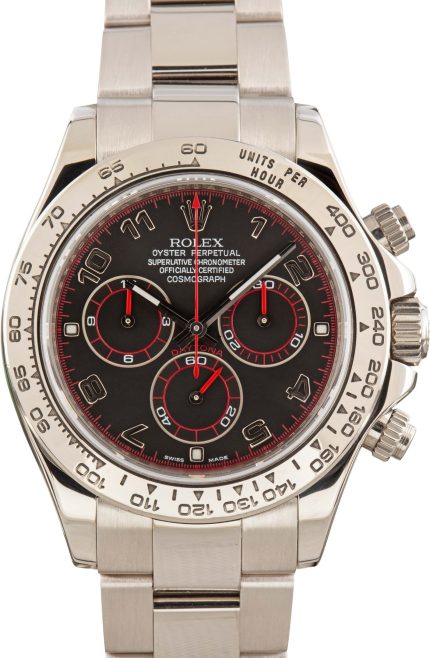

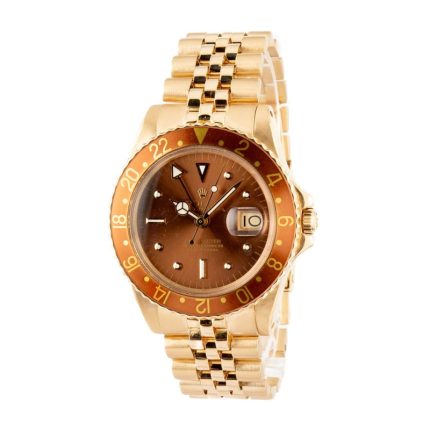
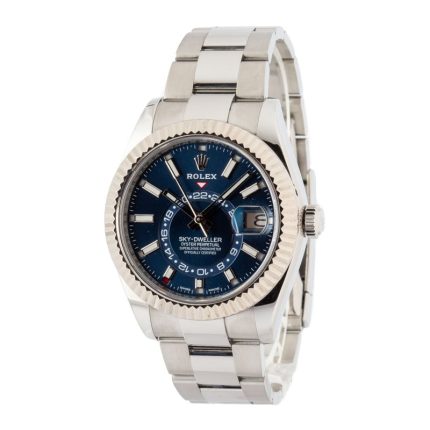
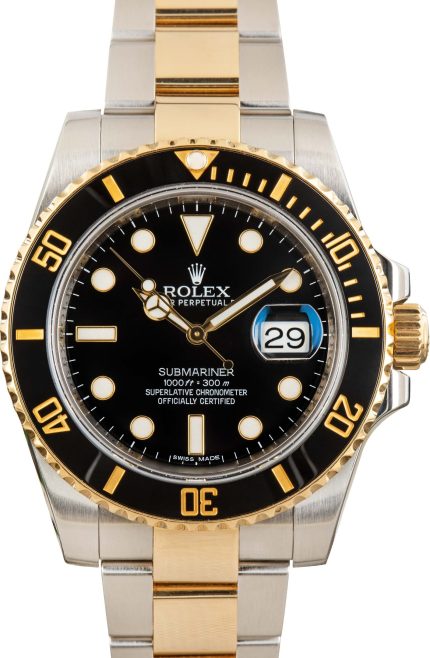

Getting a Rolex feels like hitting a life goal – maybe for crushing it at work or just treating yourself. Since explorers, sports stars, and celebs wear them, everyone wants one even more. Buying a Rolex isn’t just getting a watch – you’re buying into history.
1.2 Rolex as an Investment
While most fancy stuff loses value, Rolexes usually go up in price. Hot models like the Daytona, Submariner, and GMT-Master II sell for way more secondhand than their original price. Old Rolexes with rare features or cool stories? Those can go for millions at auction.
But not every Rolex is a money-making machine. The ones that really pay off? Limited runs, discontinued styles, and watches with special faces or bezels. If you’re buying to make money, do your homework on what’s hot and talk to people who know their stuff.
2. Choosing the Right Rolex Model for You
2.1 Iconic Rolex Collections Explained
Rolex makes all kinds of watches for different people and lifestyles. The classic Submariner came out in 1953 – it’s the ultimate diver’s watch that works 300 meters underwater. Race fans love the Daytona for its stopwatch and speed-measuring bezel.
The Datejust was Rolex’s first automatic waterproof watch – great for daily wear. Jet-setters dig the GMT-Master II because it shows two time zones at once. Knowing these different types helps you pick the right Rolex for you.
2.2 Factors to Consider When Selecting a Model
Pick your Rolex based on how you live, your wrist size, and what looks good on you. If you’re always on the go, tough watches like the Submariner or Explorer could be perfect. Need something fancy? The Day-Date or Datejust look classy at formal events.
Size matters too – Rolexes run from 36mm to 44mm. Try some on to see what feels right. Materials matter – steel is tough and classic, but steel-and-gold (Rolesor) or all-gold models look extra fancy.
3. New vs. Pre-Owned Rolex: Pros and Cons
3.1 Benefits of Buying a New Rolex
Buying new from a real dealer means you know it’s real, comes with a 5-year warranty, and has all the newest features. Plus you can relax knowing no one’s messed with it.
New ones come with everything – the green box, warranty card, and instructions. Having all this stuff makes it worth more if you sell it down the road. But buying new can mean waiting forever for hot models, and you pay full price with no instant value bump.
3.2 Advantages of Pre-Owned Rolex Watches
Secondhand watches are ready now, usually cheaper, especially for rare or discontinued ones. Some used Rolexes have already gone up in price – smart buys if you’re looking to invest. Old-school models have cool stories and character that new ones just can’t match.
Buying used? Always check serial numbers, paperwork, and maybe get an expert to verify it’s real. Good dealers will give you warranties and proof it’s legit. Used doesn’t mean beat up – lots are nearly new.
4. Authenticating Your Rolex: Avoiding Fakes
4.1 How to Spot a Fake Rolex
Fake Rolexes are getting really good, so you gotta know how to spot the real deal. Real Rolexes feel heavier because they use better materials. Look at the second hand – real ones move smoothly, fakes tick noticeably.
Find the tiny crown etched at 6 o’clock and the serial number between the lugs. The little bubble over the date should make it look 2.5 times bigger. Buying online? Ask for super clear pics of these spots. Not sure? Get an expert’s opinion or stick to official dealers.
4.2 Rolex Certification and Papers
Real Rolexes come with a green warranty card, instructions, and accuracy papers. The warranty card’s numbers should match what’s on the watch. Always double-check this stuff when buying.
Old Rolexes might not have papers, but you can check the serial number and get an expert to look at it. Some sellers have certificates from groups like GRA that prove the watch is real and in good shape.
5. Where to Buy a Rolex: Authorized Dealers vs. Secondary Market
5.1 Purchasing from Rolex Authorized Dealers
Official dealers are the safest place to buy new. You get a fresh watch with full warranty and support. They’ll give you advice and let you try watches on first. But for hot models, you might wait months or years.
Visit often and show real interest to get on your dealer’s good side. Buying less popular watches first might help you get rare ones later. Dealers sell at full price, but you know it’s real and they’ll help if needed.
5.2 Navigating the Secondary Market
Secondhand watches come from dealers, auctions, or regular people. Sites like Chrono24, Bob’s Watches, and WatchBox sell fancy watches and can check if they’re real. Big auction places like Christie’s and Sotheby’s sell rare old Rolexes.
Buying secondhand? Check the seller’s rep, return rules, and how they verify authenticity. Prices jump around depending on shape, rarity, and how bad people want it. You might save money, but stick with trusted sellers to avoid fakes.
6. Understanding Rolex Pricing and Value Retention
6.1 Factors Affecting Rolex Prices
What you pay for a Rolex depends on which one, what it’s made of, how rare it is, and how many people want it. Steel models like Submariners and GMT-Masters cost extra because everyone wants them and there aren’t enough. Gold and platinum cost more upfront but might not go up in value as fast as steel.
Stopped models or ones with special features (like the GMT’s red-blue bezel) can get crazy expensive secondhand. Limited runs and watches owned by famous people cost way more. Knowing this stuff helps you figure out what you can afford.
6.2 Rolex Price Trends and Investment Potential
Over time, Rolexes keep their value well and often go up in price. Fancy watches beat art and classic cars as investments, according to Knight Frank. Some Rolexes go up 10-20% each year lately.
But not every Rolex makes you money. Steel professional models usually do best, while gold ones might not rise as fast. Market trends can fluctuate, so buy what you love rather than purely for investment. That way, even if values dip, you’ll still enjoy wearing your timepiece.

7. Caring for Your Rolex: Maintenance Tips
7.1 Daily Wear and Cleaning
While Rolex watches are built to last, proper care ensures they maintain their beauty and functionality. For daily wear, avoid exposing your watch to extreme temperatures, strong magnetic fields, or harsh chemicals like chlorine or solvents. If your watch gets wet, dry it thoroughly with a soft cloth.
Clean your Rolex regularly with warm soapy water and a soft brush, then rinse and dry. For gold models, use a jewelry polishing cloth to maintain luster. Avoid ultrasonic cleaners unless specified by Rolex, as they can damage certain components. Regular cleaning prevents dirt buildup that can affect the movement over time.
7.2 Servicing Your Rolex
Rolex recommends servicing your watch approximately every 10 years, though this may vary based on usage. Servicing includes movement overhaul, water resistance testing, and case/bracelet refinishing. Authorized Rolex service centers use genuine parts and trained watchmakers to maintain your watch’s integrity.
Servicing costs typically range from $800 to $1,500 depending on the model and required work. While it’s an investment, regular maintenance preserves your watch’s accuracy, water resistance, and value. Keep all service records, as they enhance resale value and provide a complete history of your timepiece.
8. Rolex Customization and Personalization Options
8.1 Factory Customizations
Rolex offers limited factory customization through their authorized dealers. You can choose between different dial colors, bezel options, and bracelet types when ordering certain models. The Configurator tool on Rolex’s website lets you visualize these options before purchasing.
Some special orders, like unique dial combinations or precious stone settings, may require longer wait times and additional costs. While Rolex doesn’t offer full bespoke services like some competitors, their range of configurations allows for personal expression within the brand’s iconic design language.
8.2 Aftermarket Modifications
The aftermarket offers extensive customization options, from dial replacements to gem-setting. However, be cautious—aftermarket modifications typically void Rolex warranties and can significantly reduce resale value. Some collectors appreciate tasteful modifications, but purists prefer all-original pieces.
If considering modifications, work with reputable specialists who use quality materials and preserve the watch’s integrity. Popular aftermarket options include custom engraved casebacks, colored gem bezels, or leather strap conversions. Remember that radical alterations may make the watch harder to service or authenticate in the future.
9. Rolex in Popular Culture and Collectibility
9.1 Famous Rolex Wearers and Stories
Rolex’s association with influential figures adds to its mystique. Paul Newman’s Daytona, gifted by his wife with the inscription Drive Carefully Me, sold for $17.8 million in 2017—the most expensive wristwatch ever auctioned at the time. James Bond originally wore a Rolex Submariner in early films before switching to Omega.
Explorers like Sir Edmund Hillary wore Rolex during the first ascent of Mount Everest. These stories contribute to specific models collectibility. Understanding this history can enhance your appreciation when buying a Rolex and might influence which model speaks to you personally.
9.2 Most Collectible Rolex Models
Certain Rolex models stand out in the collector’s market. The Paul Newman Daytona, with its exotic dial, is highly sought-after. The MilSub (Military Submariner) issued to British armed forces commands premium prices. Vintage GMT-Masters with Pepsi or Root Beer bezels are also collector favorites.
Limited productions like the Kermit Submariner (with green bezel) or the Hulk (green dial and bezel) have become instant classics. When buying a collectible Rolex, provenance and condition are paramount. Original boxes, papers, and service history significantly enhance value and desirability.

10. Making Your Final Rolex Purchase Decision
10.1 Creating Your Rolex Buying Checklist
Before purchasing, create a checklist to ensure you make the right choice. Determine your budget—whether for a new or pre-owned model. Research specific references that interest you, comparing prices across different sellers. Verify the watch’s condition, service history, and authenticity markers.
Consider where you’ll buy—authorized dealer, reputable pre-owned seller, or private party. Factor in additional costs like insurance, servicing, or potential customization. Finally, trust your instincts—buy the watch that excites you when you put it on your wrist, not just what seems like the smartest investment.
10.2 Finalizing Your Rolex Purchase
When ready to buy, inspect the watch thoroughly or have it authenticated by a professional. For online purchases, ensure the seller offers a return policy. Negotiate when appropriate—some pre-owned dealers may be flexible on price, especially if paying cash or wire transfer.
Complete all paperwork properly, ensuring the warranty card is filled out correctly if buying new. Consider insuring your Rolex immediately after purchase. Most importantly, enjoy your new timepiece—whether it’s a daily wearer or a special occasion watch, a Rolex is meant to be worn and appreciated.
Conclusion and Next Steps
Buying a Rolex is an exciting journey that combines personal taste, technical appreciation, and sometimes investment strategy. From choosing the right model to authenticating and maintaining your watch, we’ve covered all the essential aspects to consider. Remember that while Rolex watches hold value well, the most important factor is selecting a timepiece that resonates with you personally.
Ready to start your Rolex ownership journey? Visit an authorized dealer to try on different models, or explore reputable pre-owned sellers for more options. Whatever path you choose, take your time, do your research, and soon you’ll be wearing a watch that represents the pinnacle of horological achievement. Your perfect Rolex awaits!
FAQ About Buying a Rolex
How much should I spend on my first Rolex?
Entry-level Rolex models like the Oyster Perpetual start around $5,000-$6,000, while professional models like the Submariner begin at approximately $9,000. Set a budget that fits your financial situation—remember that besides the purchase price, you should factor in insurance, potential servicing costs, and possible appreciation over time.
Is it better to buy a new or used Rolex?
New Rolex watches come with full warranties and peace of mind regarding authenticity, but often have long waiting lists. Pre-owned Rolexes offer immediate availability, sometimes at lower prices, and certain discontinued models can only be found secondhand. Your choice depends on priorities—guaranteed authenticity versus potential savings and availability.
How can I avoid buying a fake Rolex?
Always purchase from authorized dealers or reputable pre-owned sellers with authentication guarantees. Examine the watch’s details—genuine Rolex watches have perfect finishing, smooth movement, and specific markings like the etched crown at 6 o’clock. When in doubt, have the watch authenticated by a professional or Rolex service center before purchasing.
Do Rolex watches hold their value?
Most Rolex watches hold their value well, and many appreciate over time, especially professional models in stainless steel. The brand’s limited production and high demand contribute to strong secondary market prices. However, value retention varies by model, condition, and market trends—not all Rolex watches are equal investments.
How often does a Rolex need servicing?
Rolex recommends servicing approximately every 10 years, but this depends on usage and environmental factors. If you notice timekeeping issues, moisture under the crystal, or rough operation, have it checked sooner. Regular maintenance preserves accuracy and prevents more costly repairs down the line.
Can I negotiate the price when buying a Rolex?
At authorized dealers, prices are fixed for new models, though you might negotiate on less popular pieces or bundled purchases. In the pre-owned market, negotiation is more common, especially with private sellers or independent dealers. Always research fair market value before negotiating to make reasonable offers.
What’s the best Rolex model for first-time buyers?
The Datejust is an excellent first Rolex—it’s versatile, available in various sizes and materials, and more accessible than professional models. The Oyster Perpetual offers classic Rolex design at a lower entry point. If you want a sports model, the Submariner is iconic but may have longer waitlists at retail.