Blog
Entry-Level Rolex Price: What’s the Starting Cost?

So, you’re curious about how much an entry-level Rolex costs? You’re definitely not the only one. A lot of watch lovers kick off their luxury watch journey by asking this exact thing. When Rolex talks about entry-level, they usually mean their cheapest and easiest-to-find models. But hey, accessible means something different in the fancy world of Swiss watchmaking. This guide will lay out how the market really works right now. We’ll cover the official prices for new Oyster Perpetuals and dive into the interesting pre-owned Datejust market. By the end, you’ll have a solid idea of what you’d need to spend to get a piece of Rolex history.
Here’s what we’ll cover:
- What exactly is an entry-level Rolex?
- The official price range for brand new models.
- How the pre-owned and resale market works.
- Key things that affect the final price tag.
- Is buying an entry-level Rolex a smart investment?
- Your game plan for buying your first Rolex.
- Ready to learn more about starting your Rolex journey?
- FAQs about entry-level Rolex costs.
So, what’s the deal with entry-level Rolexes?
Let’s break down what entry-level actually means when we’re talking about Rolex.
Recommended Products
You might be interested in these products
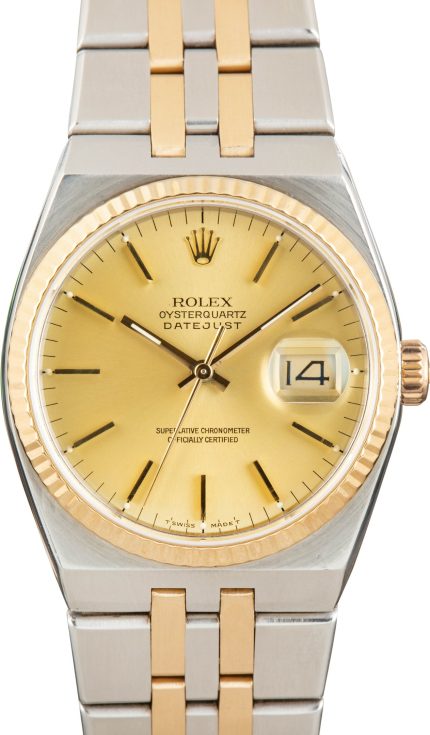
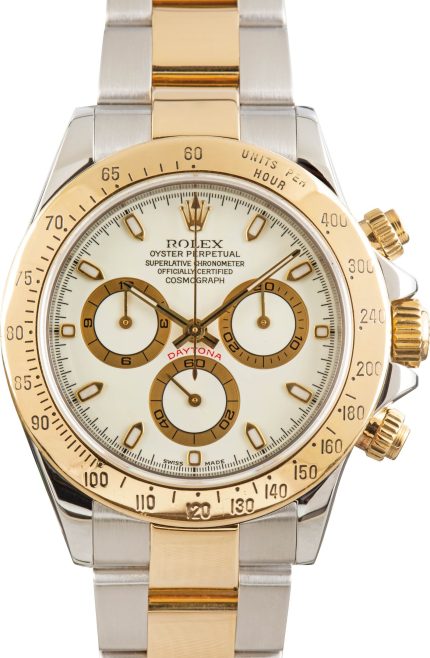

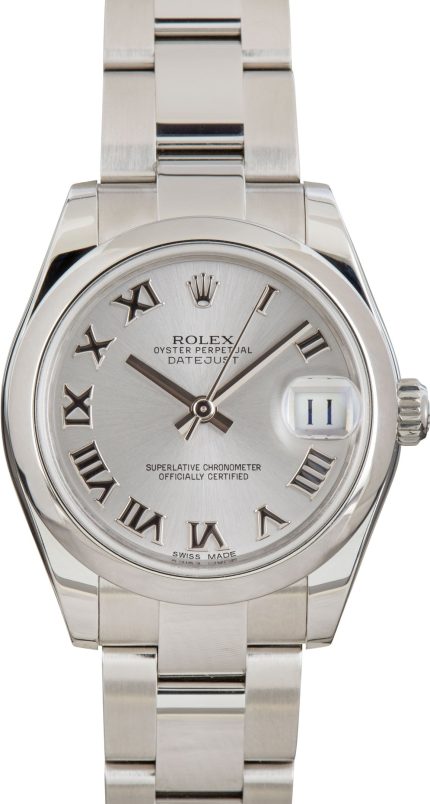
First off, don’t think entry-level Rolex means a cheap or basic watch. In the Rolex world, it just means the most affordable model you can buy new right now, which is usually the Oyster Perpetual.
These watches have all the classic Rolex stuff—the famous waterproof Oyster case and the self-winding movement. They just keep it simple, without extras like a date or stopwatch. They’re really the foundation, showing off the great engineering and classic look that put Rolex on the map.
Here’s the thing about the market: what’s considered entry-level can change. A while back, you might have called an Air-King or an older Datejust your first Rolex.
These days, thanks to how the market and production have moved, most people see the new Oyster Perpetual as the main gateway model. But don’t forget the used market!
Over there, a classic like the Datejust can be a super attractive way to get in. You get that iconic look and a bit of history, often for a different price than a brand new one.
So, which models are we talking about for an entry-level Rolex?
The main one is definitely the Oyster Perpetual. You can get it in sizes like 36mm or 41mm, and in all sorts of dial colors—from simple silver to bright turquoise or red. It started as a pure tool watch and has become a modern classic.
Then there’s the Air-King, with its cool 3, 6, and 9 numbers and pilot watch history. It’s also in that general entry-level price zone. And for a lot of folks.
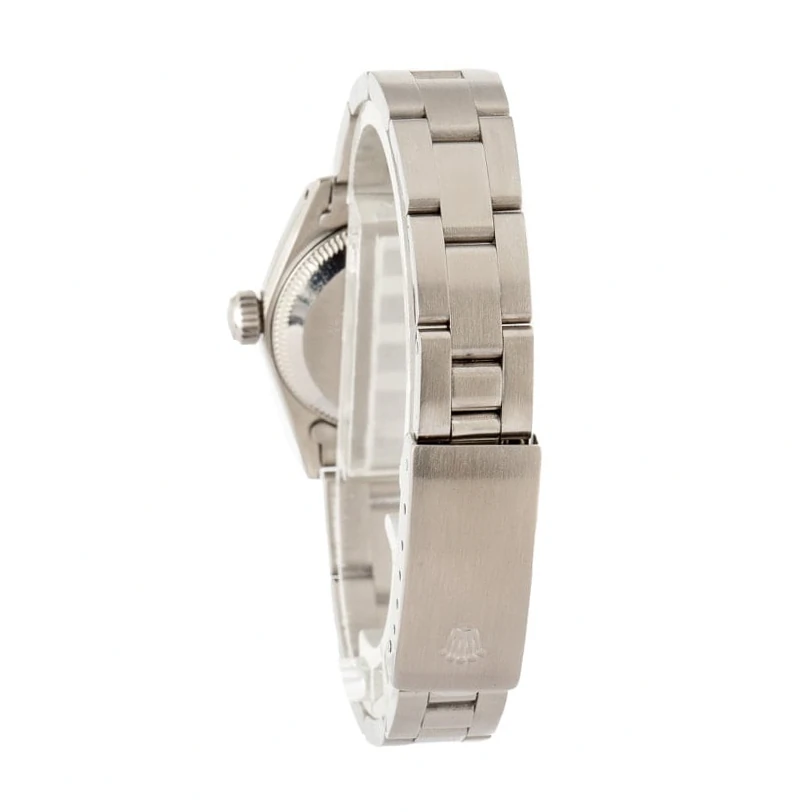
the perfect first Rolex is a used Datejust with a smooth bezel and Oyster bracelet. It’s super versatile and everyone knows what it is right away.
So, how much do the new models actually cost?
Let’s talk about the prices you see in the showroom right now.
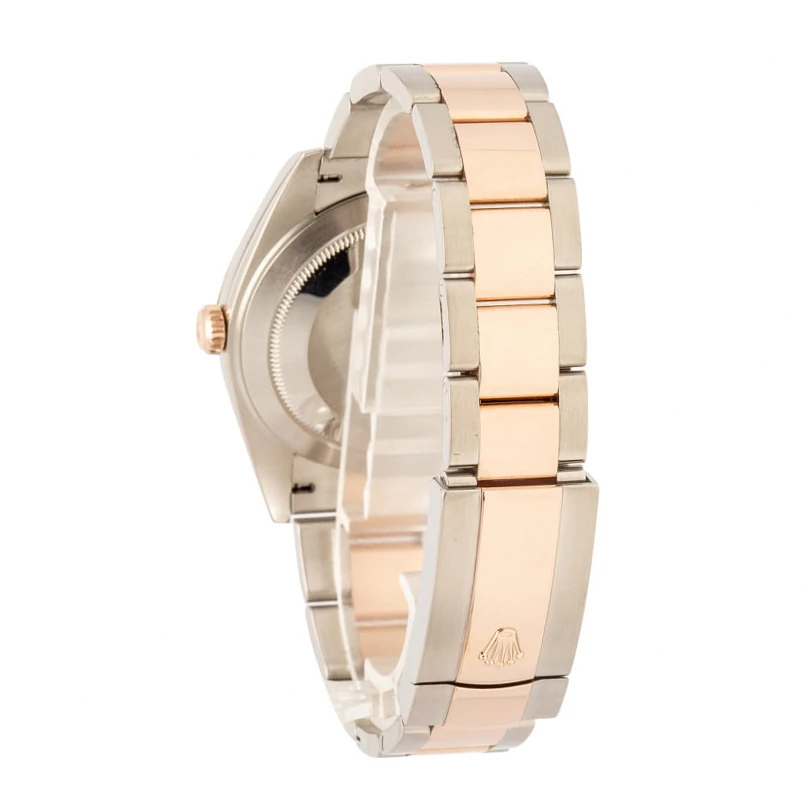
Price Point Analysis: As of my latest research, the official retail price for a new Rolex Oyster Perpetual 36mm starts at approximately $6,000 to $6,500. The bigger 41mm version costs a bit more. The Air-King has a retail price starting around $7,500. Now, it’s super important to remember these are just the official suggested prices from Rolex stores and their approved dealers. But here’s the catch: actually getting one for that price is the hard part. Demand is crazy high, and there aren’t enough watches to go around, so you end up on really long waitlists.
| Watch Model | Example Ref. Number | Starting Price (USD) |
|---|---|---|
| Oyster Perpetual 36 | 126000 | $6,000 – $6,500 |
| Oyster Perpetual 41 | 124300 | $6,500 – $7,000 |
| Air-King | 126900 | $7,400 – $7,800 |
But here’s the real story on availability and waitlists.
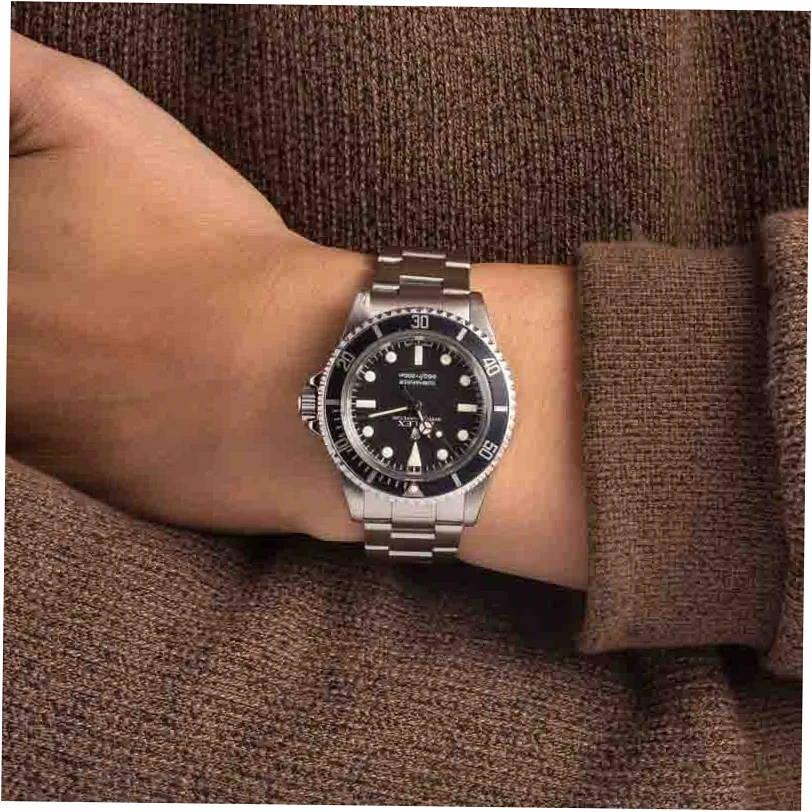
What’s it really like to buy one? Well, just walking into a dealer and snagging an entry-level Rolex for the retail price is pretty much unheard of. Most of these shops work on a system where who you know matters.
As noted by watch industry analysts like those at WatchPro, The disparity between MSRP and market price is most acute at the entry-level, where demand from new collectors is highest.
You’ll probably have to put your name on a list and then wait. Sometimes you’re waiting over a year just to get a phone call. Your chances get better if you’ve bought from them before.
Let’s talk about how the pre-owned and second-hand market works.
First up, pricing for a used Rolex.
Because new ones are so hard to find, you’ll often pay a big premium for a nearly-new or discontinued entry-level Rolex on the second-hand market. Take a popular model, like an Oyster Perpetual 41 in a hot color like Tiffany blue.
It can easily go for double the original price, or even more, from a trusted dealer or at auction. That extra cost is basically the price for getting it right away and what everyone else is willing to pay.
But the used market has its perks. You can find discontinued models or classic styles that Rolex just doesn’t make anymore. For example, you could snag a mint-condition, older Datejust 16200.
It might have an older movement, but it’s rock-solid, and the price could be around what a brand new Oyster Perpetual costs at retail. Going this route gives you more options, you get the watch immediately.
and you often end up with a bit of history on your wrist. Just make sure you always check the condition, service history, and that it’s real by buying from a dealer you can trust.
| Model (Used) | Typical Price (USD) | What Affects the Price |
|---|---|---|
| Oyster Perpetual 36 or 41 | $7,500 – $15,000 | The dial color, the year it was made, and if it comes with the original box and papers. |
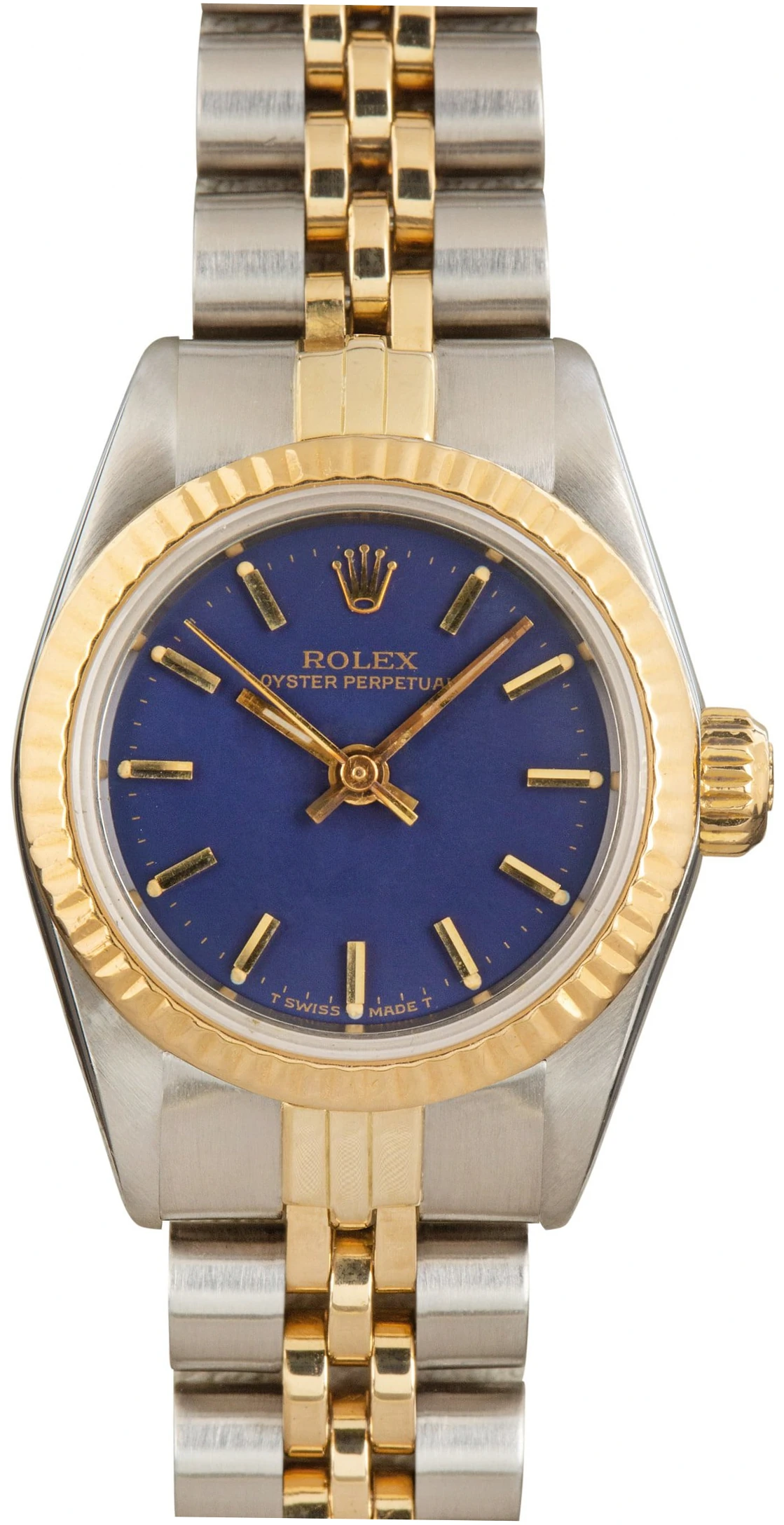
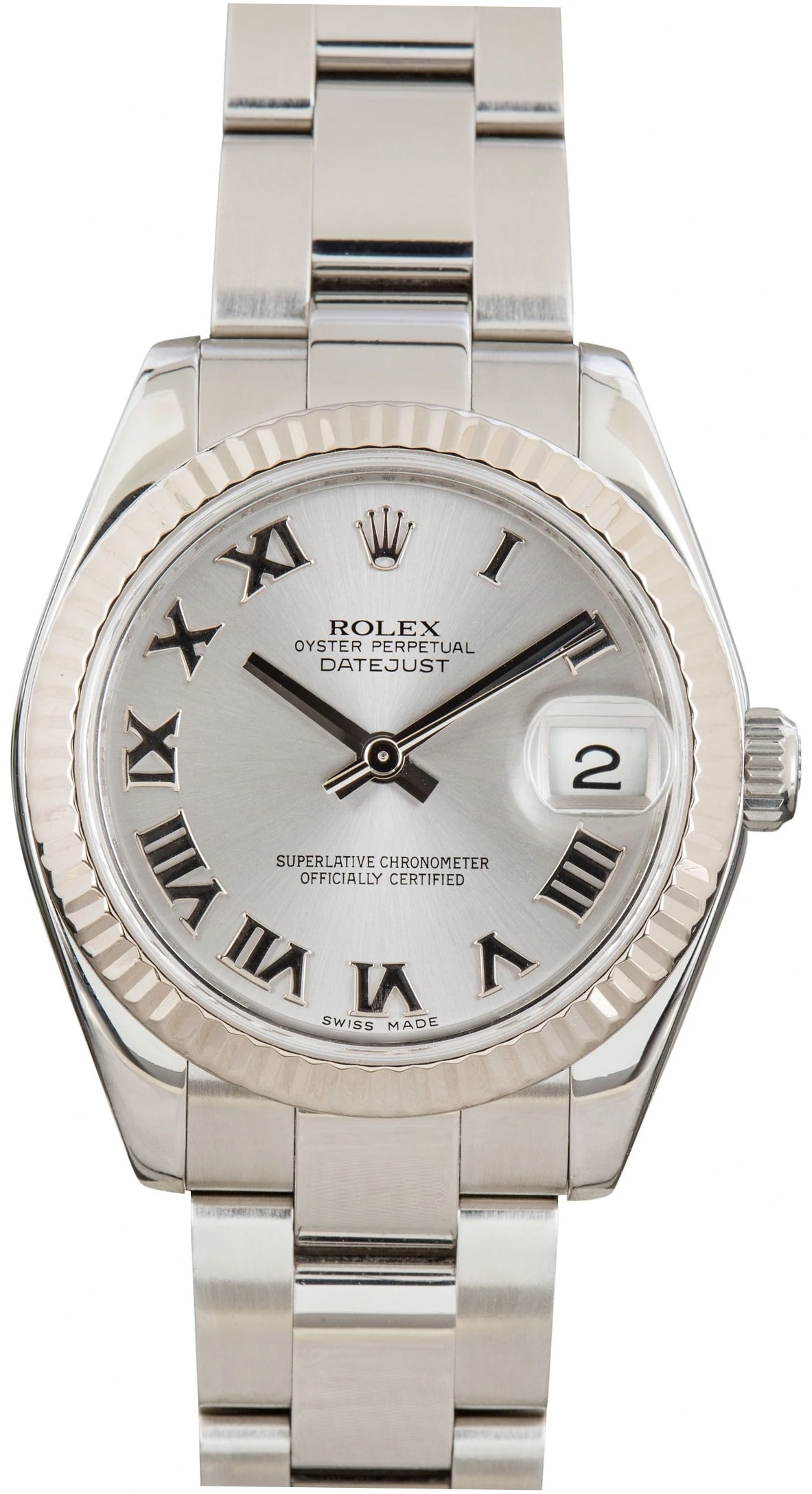
| Datejust 36 with a smooth bezel | $6,500 to $9,000 | The specific reference number, the type of bracelet, and its service history. |
| Air-King (reference 116900) | $8,500 to $11,000 | Its overall condition and if all the parts are original. |
So, what really affects the final price tag?
Let’s talk about the model specs and how they change things.
The specs you pick make a huge difference in the final cost, even for an entry-level Rolex. Choosing a 36mm or 41mm case, for example, will shift the price. But the dial color is an even bigger deal for pricing these days.
A basic black or silver dial on an Oyster Perpetual stays near retail price. Those bright stella colors, though—like pink, turquoise, or green—they come with a huge premium.
Even the bracelet type matters for value on some watches, like the Datejust. An Oyster bracelet has three-piece links, while the Jubilee has five.
Now, if you’re looking at a pre-owned Rolex, condition is everything. A watch with just light desk scratches on the bracelet will be cheaper than one that’s mint and unpolished.
Having the full set—that’s the original box, warranty card, tags, and manuals—really bumps up the value, sometimes by 10-20% or more. It’s also key for holding value over time. And a valid warranty just gives you peace of mind.
Then there’s authentication and that all-important GRA card.
Rolex’s Guarantee: Every new Rolex comes with an official Rolex International Guarantee, often called the warranty card or GRA card (from the French Garantie Internationale Rolex). This card isn’t just for warranty service.
it’s the main proof that the watch is real. It lists the model reference, serial number, and the purchase date from an authorized dealer. If that card is missing or looks off, the watch’s value plummets and people start questioning if it’s genuine.
So when you’re buying pre-owned, a properly filled-out card from an authorized dealer is a really good sign you’re getting the real deal.
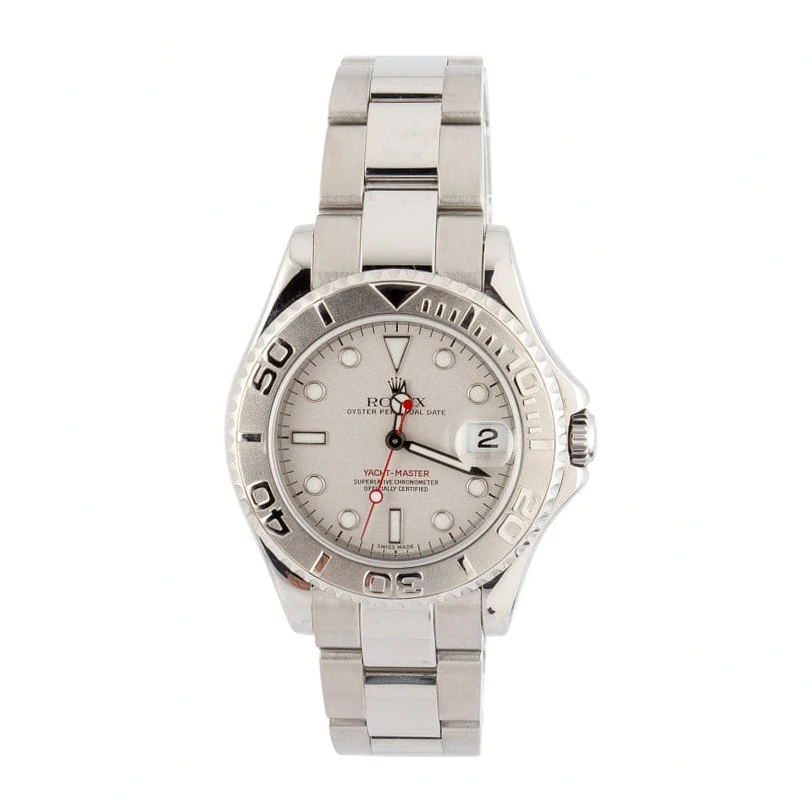
So, you’re wondering if buying an entry-level Rolex is a smart move for your money?
Let’s talk about two things: holding its value and trying to make a quick buck.
Here’s the money side of things. Sure, some steel Rolexes have shot up in price. But if you’re buying a basic model hoping to flip it fast, that’s pretty risky. On the other hand, Rolexes are really good at keeping their value.
In the watch world, they’re top-tier for that. Like expert Eric Wind says, Rolex has a solid rep. Their watches keep their worth amazingly well over many years, especially if you snag one at the official price. The big takeaway? Don’t get crazy ideas. Buy a watch you actually want to wear.
Now, about owning one – you gotta think about upkeep. Rolex recommends a service every approximately 10 years, which can cost from $800 to $1,200 for an Oyster Perpetual or Datejust, depending on the work needed. So, remember to add that to the total price of owning it. And insurance is a must-have for a luxury watch like this.
| Cost Factor | Approximate Expense | Frequency / Notes |
|---|---|---|
| First, the sticker price. | That’ll run you between $6,000 and $7,500. | That’s a one-time hit, if you can even find one at that price. |
| Then there’s the regular service. | Figure on $800 to $1,200 each time. | You’ll need that done roughly every ten years. |
| And don’t forget yearly insurance. | That’s usually 1 to 2 percent of the watch’s insured value. | You pay that every single year. |
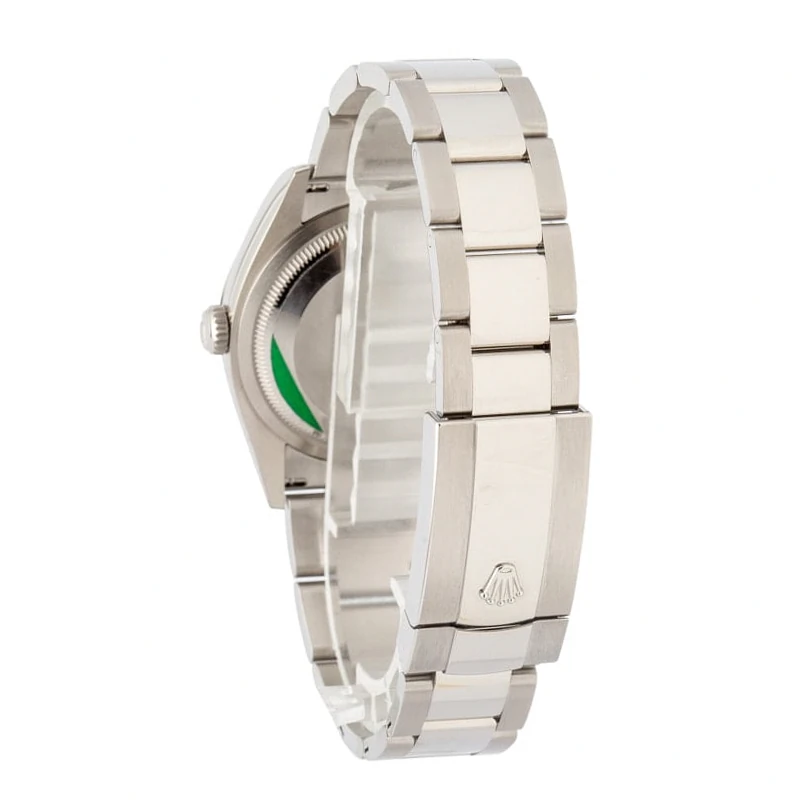
So, you want to buy your first Rolex? Here’s your game plan.
Let’s walk through how to actually buy one.
First things first, figure out how much you want to spend and which Rolex model you like. Then, head to official Rolex stores or authorized dealers. Get on their waitlist, even if it takes a while.
That’s really the only way to snag a brand-new Rolex without paying over the retail price. Just be nice, show you’re really into it, and check in with them every now and then. At the same time, look into trusted pre-owned sellers.
Make sure they offer guarantees that the watch is real and come with a warranty. Good places to start looking are well-known names like WatchBox or Bob’s Watches, or even a solid local dealer with a great reputation.
Now, here’s a must-do checklist, whether you’re going for new or pre-owned. If it’s new, confirm it’s from an authorized dealer. Check that the GRA card is filled out right and activated, and that all the bracelet links are there.
For a pre-owned piece, vet the seller’s rep. Ask for clear, close-up photos from every angle, shots of the movement inside, and the serial and model numbers. Make sure all the watch’s details line up with what’s on the GRA card.
For big private sales, think about using an escrow service to hold the payment safely. Paying for a third-party authentication service is a smart move—it’ll give you real peace of mind.
In summary, the starting price for an entry-level Rolex at retail is roughly $6,000 to $7,500, but the real-world cost is shaped by fierce demand, model specifics, and the choice between new and pre-owned. Sure, getting your hands on one takes patience and some homework. But the payoff is a classic, beautifully made watch from one of the top names out there. Your first Rolex isn’t just a watch; it’s a real milestone.
Want to learn more about getting a Rolex?
Tell us in the comments which Rolex you’re eyeing or what you’re wondering about. You can also check out our guide Decoding the Rolex Datejust to see how your options stack up!
FAQ: Entry-Level Rolex Costs
So, you’re wondering what the cheapest new Rolex you can get is?
If you’re buying new from an official store, the easiest one to find is usually the Oyster Perpetual 36mm. Its starting price is about $6,000. But here’s the catch: actually finding one at that price is really tough. You’ll probably end up on a waiting list.
What about getting a Rolex for less than five grand?
Honestly, scoring a real, working Rolex for under $5,000 is super hard these days. You might get lucky and spot an older, smaller vintage watch, say a 34mm Oyster Precision, or one that needs a lot of work.
But those are rare finds. For a reliable, ready-to-wear watch, budget closer to the $6,500 range for pre-owned options.
So, is a used Rolex a better deal than a brand new one?
Well, that really depends on what you’re looking for. Buying used means you can get it right away. You also have access to models they don’t make anymore. Sometimes, you can even snag a classic like a Datejust for a lower starting price.
Buying new from an authorized dealer gives you the full warranty, that exciting unboxing moment, and the pride of being the very first owner. In the end, what’s a better value comes down to your own personal goals.
Okay, but how much does it cost to keep an entry-level Rolex running?
You should plan on getting it serviced every 8 to 10 years. A standard service from Rolex or a good independent watchmaker will usually run you between $800 and $1,200.
That price covers a full movement overhaul, pressure testing, and polishing up the case and bracelet. Sticking to this regular maintenance is key. It keeps your watch running smoothly and protects its value for the long haul.