Blog
Essential Rolex Maintenance Tips for Longevity and Precision

Having a Rolex isn’t just about flaunting a fancy watch—it’s putting your money into top-notch craftsmanship and timeless legacy. Whether you’ve just acquired your first Submariner or inherited a vintage Datejust, proper Rolex maintenance tips can ensure your watch remains accurate and pristine for decades. We’ll walk you through everything—from sprucing up your bracelet to why that COSC stamp matters—so your Rolex stays in mint condition.
Table of Content
- Why Regular Rolex Maintenance Matters
- Daily Care for Your Rolex
- Professional Servicing Intervals
- Water Resistance Maintenance
- Movement-Specific Care
- Bracelet and Clasp Care
- Dial and Crystal Protection
- Temperature and Magnetic Field Precautions
- Traveling with Your Rolex
- Vintage Rolex Special Considerations
- Final Thoughts
- FAQ
Why Regular Rolex Maintenance Matters
The Science Behind Rolex Precision
What makes Rolex tick so perfectly? Their own in-house movements and that tough COSC certification they all pass. But hey, even the best gears need some TLC now and then. Dirt, sweat, and daily bumps can slowly mess with its accuracy. According to a 2022 report by the Swiss Chronometric Institute, a well-maintained Rolex can maintain accuracy within -2/ 2 seconds per day—far exceeding industry standards.
Recommended Products
You might be interested in these products
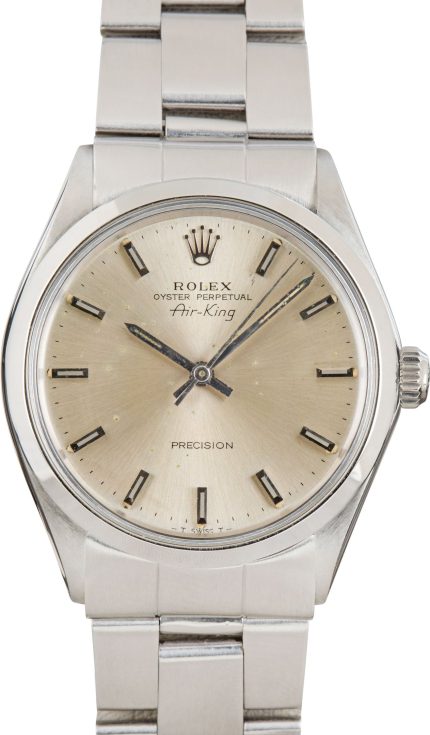

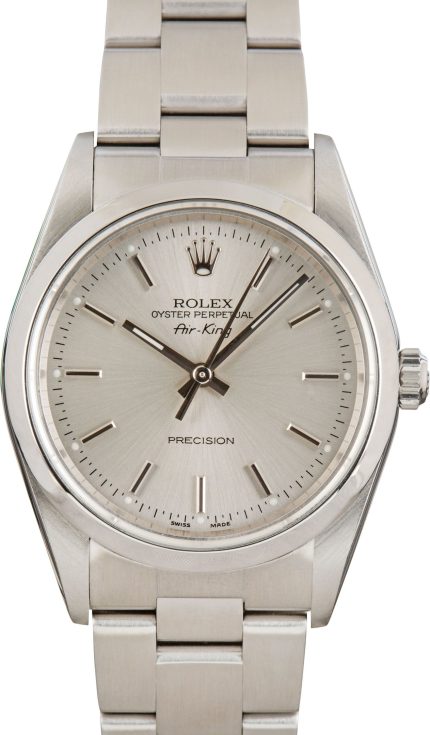


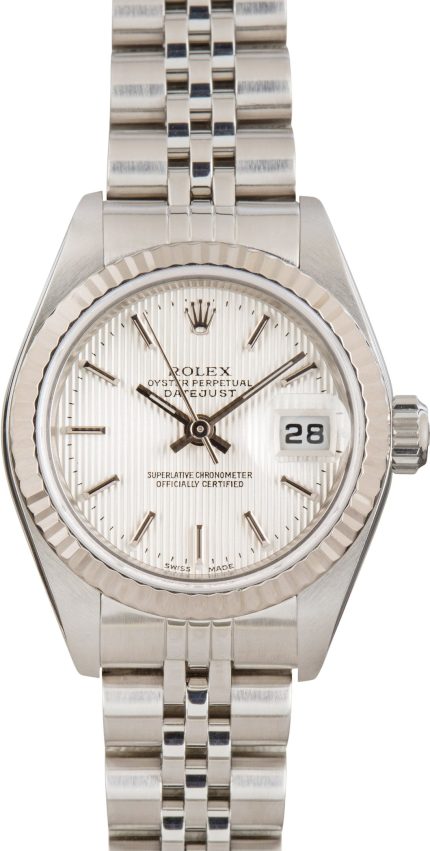
Skip maintenance though, and you might get gunky oils or parts falling out of whack. Let your Oyster Perpetual slide and it could lose 10 seconds a week—adding up to 8 whole minutes a year! Just winding it monthly—even if you’re not wearing it—stops the oils from gunking up. Like watch guru Jean-Claude Biver says, treat your Rolex like a sports car—regular tune-ups keep it purring.
Preserving Your Investment’s Value
Beyond functionality, regular servicing protects your watch’s resale value. Bob’s Watches found in 2023 that Rolexes with full service records fetch 23% more than those without paperwork. With unicorns like the Daytona Paul Newman, the paperwork’s worth its weight in gold. Keep all receipts and consider Rolex’s Service Guarantee card—it’s the horological equivalent of a Carfax report.
Daily Care for Your Rolex
Cleaning Your Watch at Home
Contrary to myth, you don’t need professional tools for basic cleaning. For Oyster bracelets: soak in warm soapy water for 15 mins, then softly brush with a toothbrush. Rinse it off and pat dry with a microfiber cloth. Skip ultrasonic cleaners though—they might wreck older watches glue.
Wipe the case with a damp cloth—distilled water’s best—to remove smudges. Don’t spray water at the crown unless you’ve got a deep-diving Sea-Dweller. Hot tip: Wash off sweat ASAP—salt eats away at metal quietly.
Safe Storage Practices
Keep it in its box or a winder (if it’s automatic). Winders should rotate bidirectionally (like Rolex’s own unit) to prevent overwinding. A humidity-controlled safe at 40% keeps the rubber seals from cracking. Not wearing it for months? Wind it by hand every 6 weeks to spread the oils.
Professional Servicing Intervals
When to Visit a Rolex Service Center
Rolex says service it every decade, but if you’re rough with it (like divers), make that every 5 years. If it’s keeping wonky time or the crown feels sticky, get it checked fast. Only official Rolex shops (find them on their site) can give you that prized green water-resistance sticker.
During servicing, technicians replace movement parts per Rolex’s like-new policy—controversial among purists but ensures reliability. You’ll receive replaced components in a red pouch; keep them for collector value.
Understanding Service Costs
A simple service runs $800 for a Datejust, but fancy models like the Sky-Dweller? Over $1,500 easy. You get a 2-year warranty with that. Independent watchmakers may charge less but void Rolex’s Superlative Chronometer guarantee. Pro move: Ask for the full quote first—some places tack on extra for polishing the bracelet.

Water Resistance Maintenance
Testing Your Watch’s Seal
Even waterproof Rolexes should get pressure-checked sometimes. Official shops test them 25% deeper than rated—so your 300m Submariner gets dunked at 375m. Skip home tests like the glass condensation trick—they don’t work right.
Been in the ocean? Rinse it with fresh water to stop salt damage. Always screw the crown down tight—most leaks happen when it’s loose. Old Rolex? Assume it’s not waterproof anymore unless it’s just been serviced.
Diving with Your Rolex
Today’s Rolex divers beat industry standards, but only if you maintain them. Going deep? Make sure the helium valve moves easily on Sea-Dwellers. After diving, rinse the bezel to wash out sand. Don’t turn the bezel underwater—pressure can jam stuff inside.

Movement-Specific Care
Automatic vs. Manual Winding
Wear your automatic Rolex daily—the motion keeps it wound tight. Not wearing it? Wind it every couple days. Hand-winders like the Prince need daily winding—stop when it gets tight.
Never change the date between 9PM-3AM—that’s when the gears are shifting and you might break them. This is super important for Sky-Dwellers with their fancy calendars.
Chronograph Maintenance
Hey Daytona folks—always stop the timer before resetting or you’ll grind the gears. Press the buttons gently—stabbing them might bend parts. Fire up the stopwatch weekly to spread the oils around. If the second hand stutters, time for a service.

Bracelet and Clasp Care
Oyster vs. Jubilee Bracelets
Oyster bracelets take a beating but gunk up between links. Clean tight spots with a cloth-wrapped toothpick. Jubilee’s finer links are prone to stretching—have a watchmaker check pin tightness annually.
For both, avoid contact with perfumes or hairspray—alcohol degrades the steel’s polish. Rolex’s 904L steel resists corrosion but can scratch. Love the natural wear or pay $200-$400 to polish it up.
Folding Clasp Maintenance
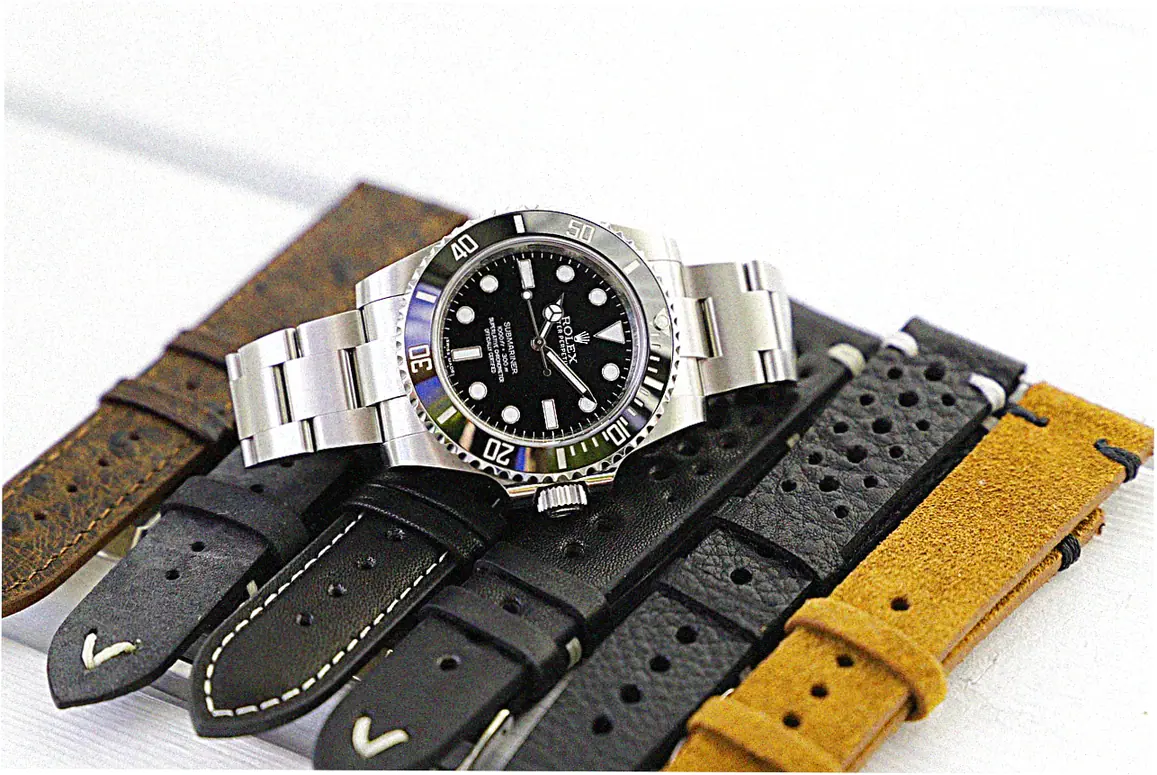
The Oysterlock clasp’s mechanism should open/close smoothly. Sticky hinge? A dab of Moebius oil (not WD-40!) will help. After the beach, rinse your Submariner’s Glidelock to keep sand out.
Dial and Crystal Protection
Avoiding Scratches on Sapphire
Rolex’s synthetic sapphire crystals are nearly scratch-proof (9 on Mohs scale), but coatings can smudge. Wipe it down with a microfiber cloth in circles. Big scratch? Only Rolex should replace the glass to keep your warranty.
Old plastic crystals shine up nice with Polywatch. Go easy—too much polishing wears it down. Keep vintage pieces face-up to avoid marks.
Protecting Luminous Markers
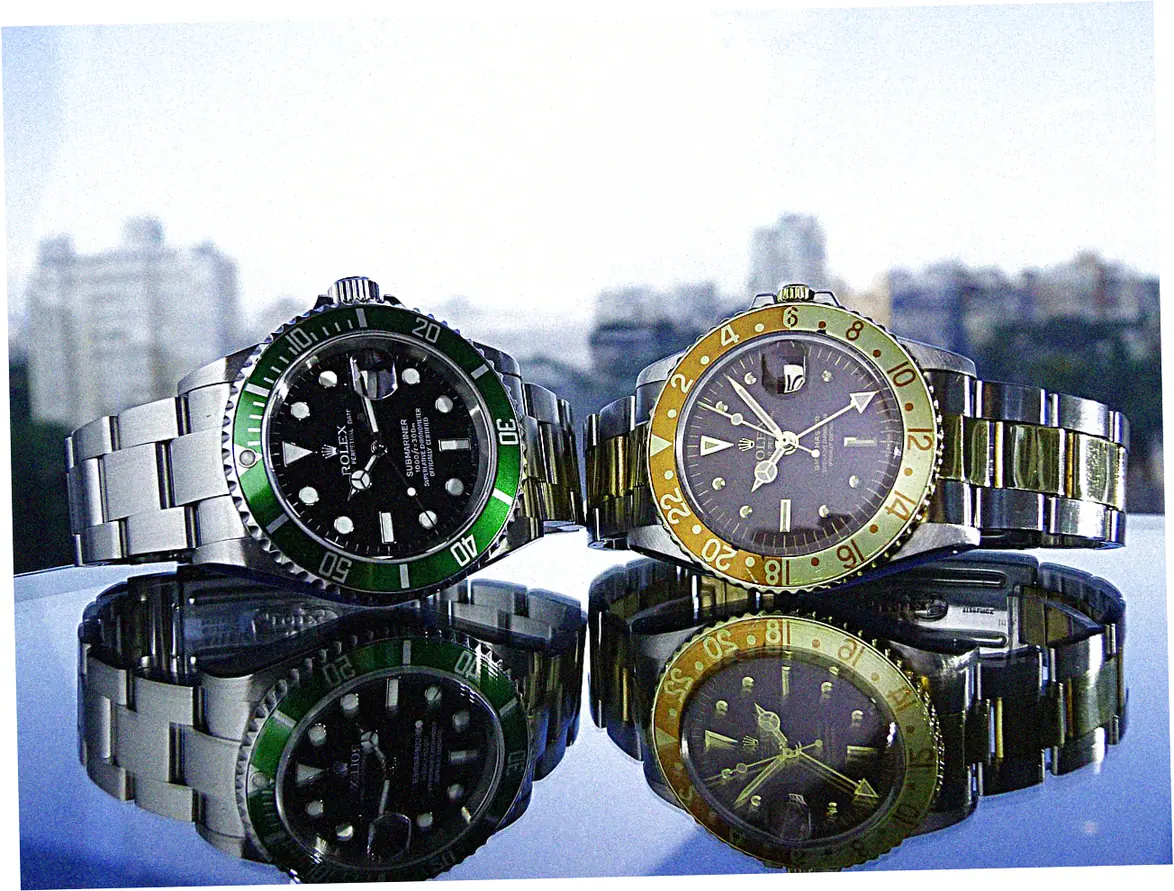
New Rolex glow lasts about 8 hours. Too much sun bleaches old radium dials. Glow fading? A service can recharge it. FYI for collectors: Original aging boosts value on rare pieces like MilSubs.
Temperature and Magnetic Field Precautions
Extreme Heat and Cold Effects
While Rolex tests watches from -20°C to 40°C, sudden temperature swings can cause condensation. Let your watch adjust gradually—don’t wear a cold watch into a sauna. Heat messes with the oils, throwing off timekeeping.
In deep freeze, keep it under your sleeve—cold makes oils gummy. In -50°C Antarctica, Explorer IIs ran 1.3 seconds fast per day.
Demagnetizing Your Rolex
Magnetic fields from phones or MRI machines can magnetize the hairspring, causing drastic time gains (even 30 minutes/day!). Authorized dealers use degaussers, but you can test with a compass—if the needle moves when near your watch, it’s magnetized. Most servicing includes demagnetization.
Traveling with Your Rolex
Time Zone Adjustments
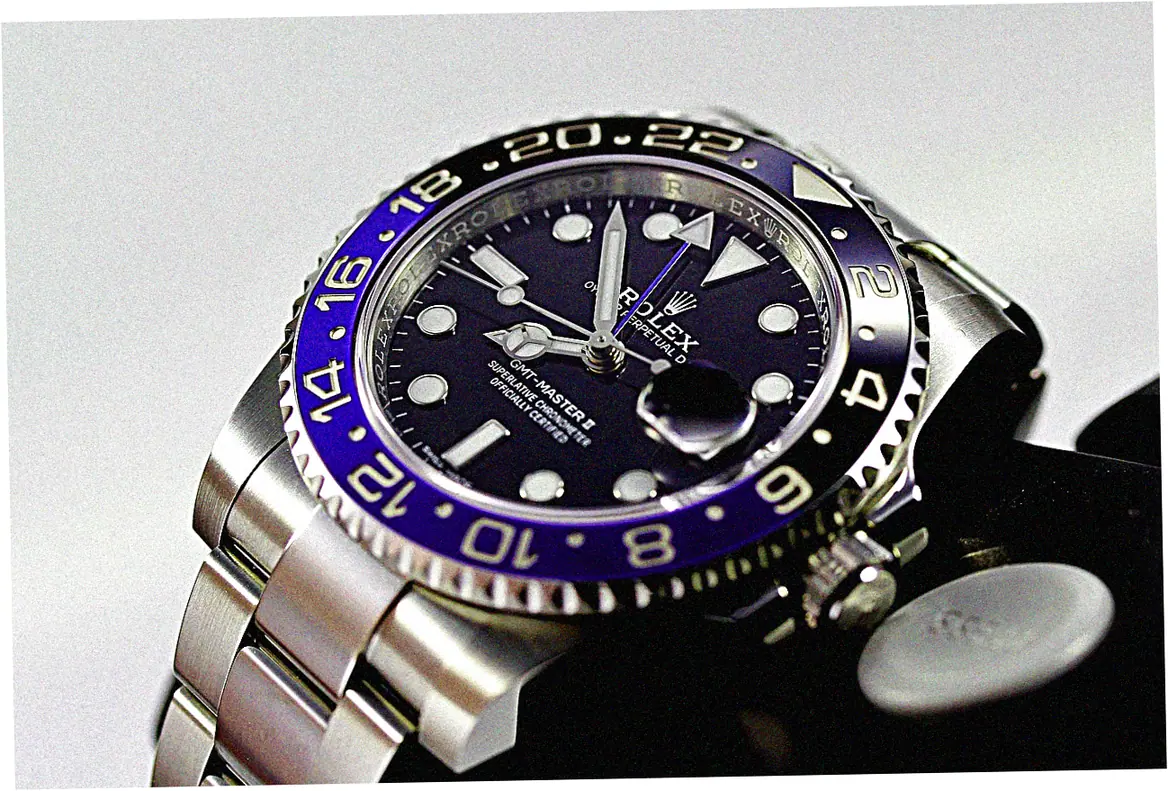
For GMT-Master II owners, the independent hour hand allows quick timezone jumps. Pull the crown to position 2 and rotate clockwise—no need to stop the seconds. During flights, keep the crown screwed down to prevent pressure-related issues.
Quickset date models (post-1980s) let you advance the date by turning the crown. Older models require cycling through 24 hours—be patient to avoid damaging the mechanism.
Security While Traveling
Never check your Rolex in luggage—temperature and pressure changes are risky. Wear it or carry it in a travel pouch (like Rolex’s leather case). Register the serial number with Rolex’s Lost Found database before trips.

Vintage Rolex Special Considerations
Servicing Vintage Pieces
Pre-1980s Rolexes often have non-standard parts. Seek specialists like LA Watch Works who conserve originality. Frankenwatches (mixed parts) lose value—demand a movement photo before servicing. Original dials should never be refinished—patina adds character and value.
For acrylic crystals, insist on NOS (new old stock) replacements—modern ones may not fit. A 1950s Bubbleback’s crystal alone can cost $300 .
Authenticity Verification
With counterfeit Rolexes improving, authentication is key. Check the rehaut (inner bezel) engraving—it should align perfectly at 6 o’clock. The movement should have a unique serial matching the case. Rolex’s archive service ($500 ) provides production date certificates.
Final Thoughts
Your Rolex is built to last generations, but only with proper care. Bookmark this guide, schedule regular check-ups, and enjoy the peace of mind that comes with a perfectly maintained timepiece. Ready to give your watch the attention it deserves? Locate your nearest Rolex Service Center today—your future self (and maybe your grandchildren) will thank you.
FAQ
How often should I wind my Rolex if not wearing it?
Manual-wind models need daily winding, while automatics should be wound every 48 hours when unused. Overwinding isn’t possible with modern Rolexes—they have a slip clutch to prevent damage.
Can I polish my Rolex at home?
Light polishing with a Cape Cod cloth is safe for minor scratches, but deep marks require professional refinishing. Over-polishing erodes the steel’s edges and devalues the watch.
Why does my Rolex run fast suddenly?
Magnetization is the most common cause. Test with a compass or visit a dealer for demagnetization. Other causes include impact damage or lubricant drying.
Is it okay to shower with my Rolex?
While waterproof, soap and shampoo degrade gaskets over time. Occasional exposure is fine, but regular showers accelerate the need for seal replacements.
Do Rolex batteries need replacement?
Rolex doesn’t make battery-powered watches—all are mechanical. If your watch stops, it likely needs winding or servicing.
How can I tell if my Rolex is real?
Check the weight (counterfeits are often lighter), the smooth second hand movement (genuine Rolexes tick 8 times/second), and the cyclops lens magnification (should be 2.5x). When in doubt, consult an expert.
What’s the best way to store multiple Rolexes?
Use a watch box with individual cushions to prevent scratching. Keep away from magnets (like speakers) and consider a humidity-controlled safe for long-term storage.