Blog
Rolex Watch Models Price Range Guide from Affordable to Luxury

If you’re into luxury watches or buying your first Rolex, knowing which models go from cheap to expensive is key to your buying plan. Now, no real Rolex is actually cheap, but some watches like the Oyster Perpetual or older Air-Kings are more affordable compared to other Rolex models. This guide breaks down Rolex’s pricing. We’ll look at how materials, complications, rarity, and demand affect prices. That’s why entry-level steel sports models cost way less than fancy precious metal ones. We check out both retail prices and the secondhand market. This gives you solid info to make smart choices when you’re looking at all the different Rolex models for your budget.
Table of Content
- Rolex Pricing Structure Fundamentals
- Entry-Level Rolex Models Under $10,000
- Mid-Range Rolex Models $10,000-$20,000
- Upper Mid-Range Models $20,000-$40,000
- High-End Rolex Models $40,000-$100,000
- Ultra-Luxury Rolex Models Over $100,000
- Secondary Market Pricing Dynamics
- Rolex Authentication and Verification
- Rolex Buying Strategies and Recommendations
- Rolex Service and Maintenance Costs
Rolex Pricing Structure Fundamentals
Manufacturer’s Suggested Retail Price Versus Market Reality
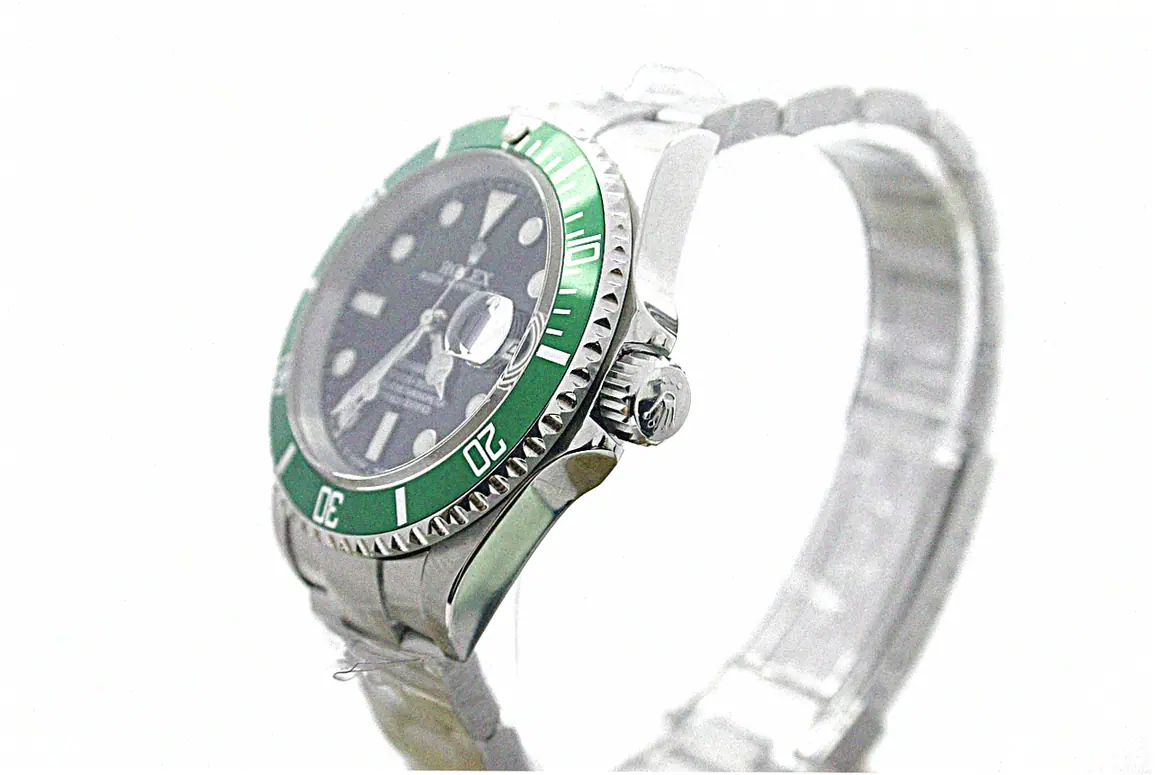
Rolex sets official prices, but the market often changes things a lot. You can buy stainless steel Submariners or GMT-Masters from dealers for around $7,000 to $10,000. But they’re hard to find, so people pay way more for them second-hand.
Recommended Products
You might be interested in these products
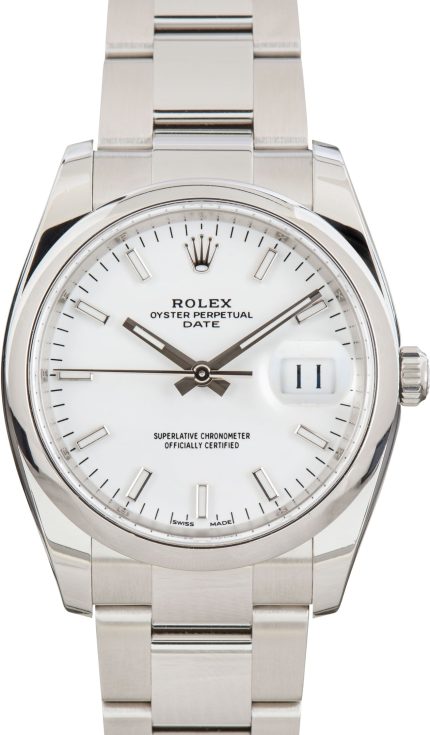

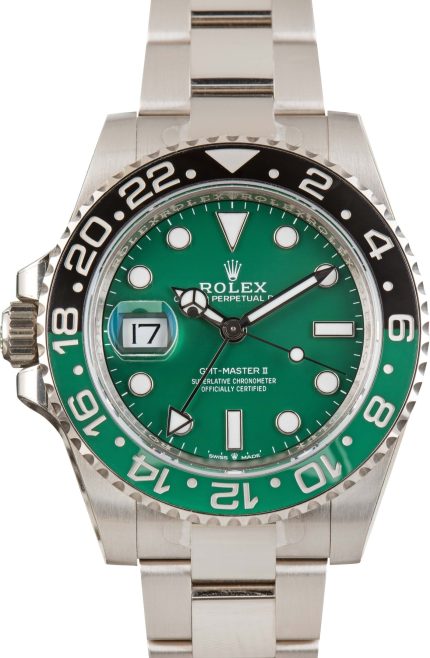
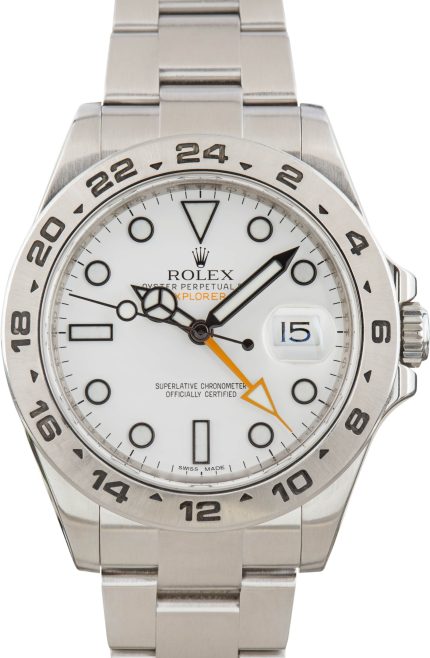

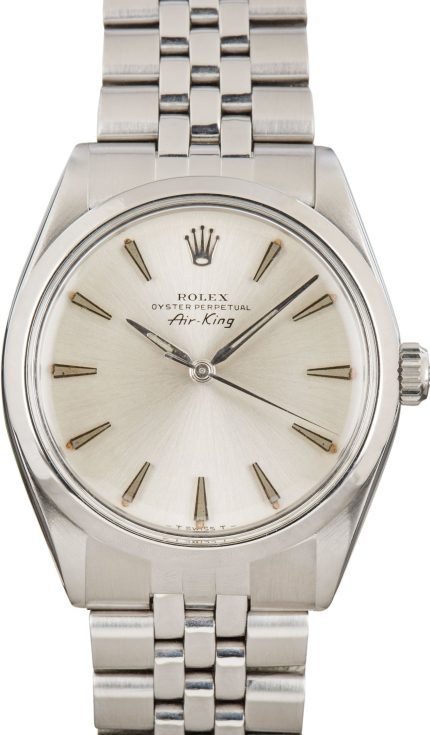
On the flip side, less popular models like the Oyster Perpetual 36mm usually go for retail price or even less on the used market. So, if you want a cheap Rolex, you’ll probably look at older or less popular ones.
The expensive models are pricey because they’re valuable and everyone wants them. Knowing how this works helps collectors find real value, no matter their budget.
Key Factors Determining Rolex Watch Values
A few key things decide where a Rolex lands on the cheap to expensive scale. The material is a big deal. Stainless steel models start at about $5,500. But if you want white gold, yellow gold, or Everose
gold, you’re looking at starting around $15,000 and going way past $50,000. Extra features, called complications, really bump up the price. Things like chronographs, dual time zones, or annual calendars
can add anywhere from $3,000 to a huge $20,000 to the cost. Rarity is super important too. Discontinued watches, like the Paul Newman Daytona, can sell for over $100,000 at auction because they’re historic and there aren’t many of them.
Even for the same model, small changes like the bezel, dial color, or bracelet can make a price difference of thousands of dollars.

Entry-Level Rolex Models Under $10,000
Rolex Oyster Perpetual Series Affordability
The Oyster Perpetual is Rolex’s most affordable current model. Prices start around $5,500 for the 28mm and 36mm versions. These watches have all the classic Rolex features like chronometer movements, oyster cases, and perpetual rotors.
But they skip the fancy professional stuff that jacks up the price. Rolex recently stopped making the 39mm and 41mm Oyster Perpetual models. That made the remaining watches more sought after, showing how even cheaper Rolexes can go up in value.
When they added those colorful lacquer dials in 2020, collectors went crazy. Even though it’s an entry-level model, the turquoise and coral red dials now sell for way more.
If you want a cheap Rolex, the Oyster Perpetual gives you that real Rolex heritage. Plus you don’t have to deal with the crazy markups that professional models get on the secondary market.
Vintage and Discontinued Affordable References
You can find plenty of Rolex models under $10,000 in the pre-owned market. Especially among discontinued references and vintage pieces. Air-King models like ref. 5500 and 14000 often pop up between $4,000 and $7,000.
They’re in good shape and have that classic look with reliable 3000 or 3130 movements. You can grab older Datejust models from the 80s and 90s, like ref. 16013 and 16233.
They come with engine-turned bezels and acrylic crystals, giving you that two-tone luxury for just $5,000 to $8,000. Even the early Turn-O-Graph ref. 6202 sometimes shows up under $10,000.
That’s pretty amazing since it was Rolex’s first watch with a rotating bezel. These cheaper options prove that if you do your homework, you can score a real Rolex for way less than what new models cost today.
Mid-Range Rolex Models $10,000-$20,000
Stainless Steel Professional Series Accessibility
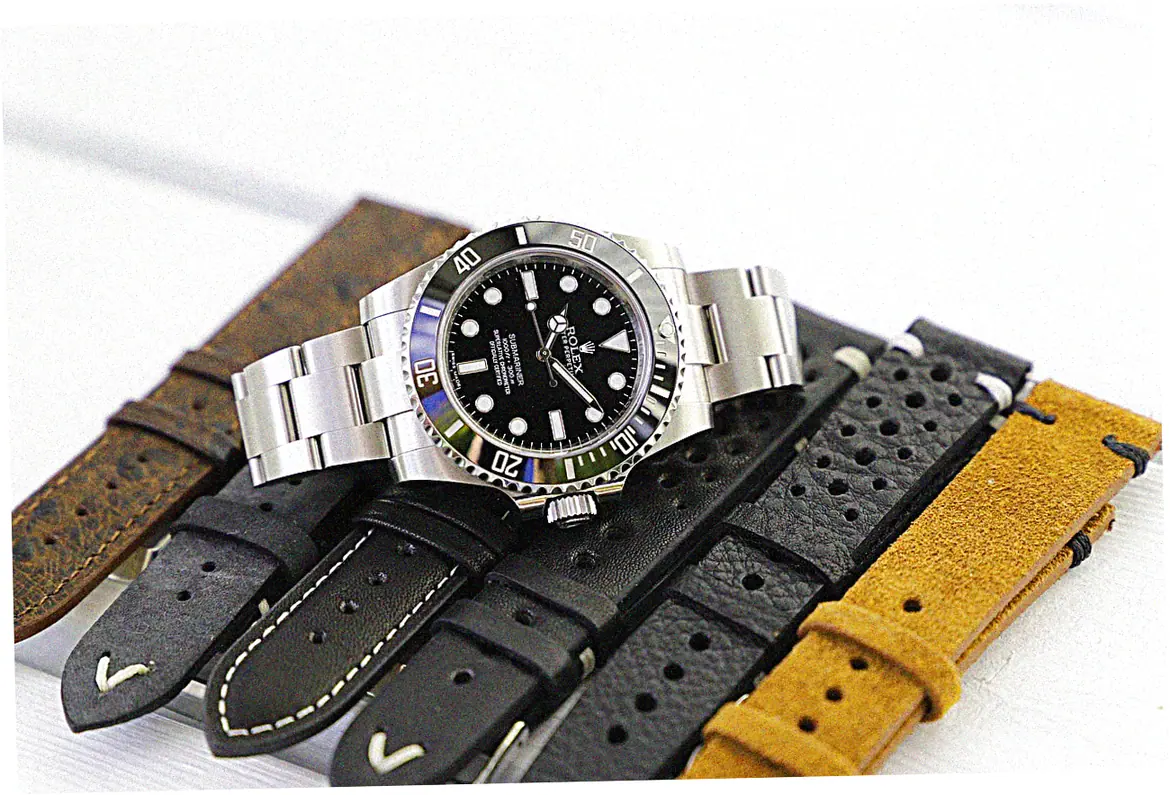
If you’re looking at mid-range Rolex prices, the professional series is where it’s at. You can find stainless steel Submariners, GMT-Master IIs, and Explorers at authorized dealers for around $9,000 to $10,500.
But here’s the catch – you’ll usually pay more than retail because of waiting lists and market markups. If you want one right away, expect to shell out $15,000 to $20,000. The no-date Submariner (ref. 124060) and Explorer II (ref.
226570) are usually the easiest professional models to get. But if you go for GMT-Master IIs with Jubilee bracelets or colored bezels, you’ll pay extra. Don’t mind older models? Previous gen Submariners (ref.
14060 and 16610) give you similar looks and quality for $10,000 to $15,000. They’re great mid-range options without the crazy wait times.

Two-Tone Datejust and Explorer Models
Then there’s Rolesor models – that’s stainless steel with gold touches. They hit that sweet mid-price spot between $12,000 and $18,000. Take the Datejust 36 (ref. 126233) and Datejust 41 (ref.
126333) with fluted bezels and Jubilee bracelets – they go for about $14,500. You get that luxury gold look without breaking the bank. Two-tone GMT-Master II (ref. 126713GRNR) and Submariner (ref.
126613LN) models bring pro features into this range too, retailing around $16,000. But market prices usually push them closer to $20,000. There’s also the new two-tone Explorer (ref. 124273) at $13,800.
It mixes sporty looks with luxury touches, showing how Rolex blends professional and dress styles in their mid-price watches. These models give you some gold and extra prestige, but still cost less than all-precious-metal versions.

Upper Mid-Range Models $20,000-$40,000
Precious Metal Professional Watches
Rolex’s upper mid-range is anchored by solid gold professional models. The yellow gold Submariner, ref. 126618LN, goes for about $39,000. And the white gold GMT-Master II, ref. 126719BLRO, is close behind at around $38,500.
These watches keep their tool watch functions but add fancy materials. They’re cool hybrids that mix sporty and luxury styles. Then there’s the Everose gold Yacht-Master 40, ref. 126655. It comes with an Oysterflex bracelet and costs $28,500.
This one gives a modern twist to precious metal sports watches. You can actually find these models easier than the stainless steel ones. So even though they’re positioned higher up, you’ll probably pay closer to the retail price.
For collectors who want premium materials but don’t want to spend six figures, these watches are perfect. They offer great presence and technical sophistication, staying within a realistic budget for serious fans.

Complex Functionality and Limited Productions
In this price range, you start seeing Rolex’s more complicated watches. That includes chronograph models and special editions. Take the stainless steel Daytona, ref. 116500LN. Its retail price is technically $14,550.
But because it’s so hard to find, it actually sells for between $28,000 and $35,000. That puts it right in this category, despite the official price. The Sky-Dweller is Rolex’s most complex watch right now.
The stainless steel version, ref. 326934, retails around $14,800. But thanks to its annual calendar and dual time zone features, it really goes for $22,000 to $25,000 on the market.
Special editions like the Oyster Perpetual 41 with the Tiffany blue dial, ref. 124300, hit about $30,000 at one point. Now they’ve cooled down to around $20,000. This shows how limited runs affect the price, no matter the tech inside.

High-End Rolex Models $40,000-$100,000
Full Precious Metal Dress Watches
In this price bracket, Rolex’s dress watches really shine. The platinum Day-Date 40 (ref. 228206) goes for about $68,000. Gold versions cost between $36,500 and $42,000, depending on the dial and bracelet you pick.
Just getting the President bracelet adds around $5,000 to $7,000 over a leather strap. And if you go for gem-set bezels or dials, you could be looking at double the price. Take the Cellini Moonphase. It’s discontinued but you can still find it.
It first sold for about $26,000, but now it trades for $40,000 to $50,000 because it’s rare and has a cool, complicated movement. These models show off Rolex’s watchmaking skills beyond just tool watches.
They’ve got amazing finishing, complex mechanics, and fancy materials. That’s why they cost more than the professional models. They really attract collectors who want both technical mastery and classic style.

Gem-Set Sports Models and Special Editions
Rolex’s sports models get a huge makeover in this range. They load them up with gems and build them from precious metals. The GMT-Master II in Everose gold is a great example. It has a meteorite dial and diamond markers (ref.
126755SARU). It sells for about $75,000, packing in several luxury features. Daytonas that are fully covered in diamonds (ref. 116595RBOW) hit around $95,000. They turn the famous chronograph into stunning jewelry.
Even some stainless steel models get this expensive if they have rare dials. Like the Paul Newman Daytona that sold for a crazy $17.8 million at auction. But most modern gem-set watches range from $50,000 to $100,000.
These pieces prove Rolex knows jewelry, but they still work like tough sports watches. They’re perfect for collectors who want maximum sparkle and solid mechanics.
Ultra-Luxury Rolex Models Over $100,000
Masterpiece Collections and High Jewelry
Rolex’s Masterpiece collections really go beyond regular watchmaking. They use amazing craftsmanship and super rare materials. Take the Day-Date 36 with a baguette diamond bezel and emerald dial (ref. 128348RBR).
It sells for about $120,000. But if you want one that’s completely covered in gems, that’ll cost you over $250,000. These watches use special invisible settings. Gems cover every single part, even the bracelets and clasps.
It takes hundreds of hours of careful handwork to make one. Then there’s the Pearlmaster series. These are Rolex’s fanciest jewelry watches. The 39mm models in 18kt gold have diamond pavé dials and gem-set bezels, pushing the price to around $150,000.
They’re more like wearable art than just watches for telling time. But don’t worry, they still have the same super precise mechanics as every other Rolex. These sit right at the very top of Rolex’s price range. For serious collectors, they’re the ultimate status symbol.
Historical Significance and Auction Highlights
Some old, vintage Rolex models can be worth crazy money, over $1 million. That’s because they’re super rare and have a big history. Like the Bao Dai Rolex ref. 6062. There are only three known with a black dial and diamond markers.
One sold back in 2017 for a huge $5.1 million. Even Steve McQueen’s own Explorer II ref. 1655 went for $2.1 million. That’s pretty impressive for a watch that’s not even that old. And it’s not just super old ones.
Modern classics like the Daytona ref. 6265 with a Paul Newman dial often sell for between $300,000 and $500,000 at auction. These prices show how much collectors love watches with a real story and proven history.
Sometimes, they’re worth way more than the fanciest new watches you can buy. This is the absolute highest level of Rolex collecting. Here, the history and cultural meaning matter much more than just the materials they’re made from.
Secondary Market Pricing Dynamics
Rolex Authorized Dealer Versus Gray Market
Rolex prices at authorized dealers and the actual market value can be really different, which makes buying watches tricky, whether you’re looking at cheap or expensive models.
On the gray market, professional stainless steel models usually cost 50% to 100% more. But the fancy ones, like those in precious metals or with gems, often sell for retail price or even less.
So there’s this inverse thing going on: the affordable Rolex models end up pricey on the secondary market. Meanwhile, the really expensive ones can sometimes be a relative bargain.
Big gray market dealers, think DavidSW or Bob’s Watches, they charge more but for a reason. They offer guarantees, warranties, you get the watch right away, and they make sure it’s real.
If you get how this market works, you’ll know when it’s smart to pay that extra premium or when you should just stick with an authorized dealer for better long-term value.
Investment Potential and Value Appreciation
Some Rolex models are amazing investments. Lately, the popular stainless steel professional watches have gone up in value by 20% to 30% each year when the market’s hot. Take the Rolex Panda Daytona, ref.
116500LN. It jumped from its $12,400 retail price to over $35,000 in just five years. The stainless steel Sky-Dweller, ref. 326934, did about the same. Even the cheaper, entry-level models can shoot up in value.
When they stopped making the Oyster Perpetual 39mm, its price temporarily skyrocketed from $5,700 to over twelve grand. But here’s the catch with the precious metal models: they usually lose value at first before leveling out.
So even though they’re made of gold, they’re not great for a quick flip. This shows that a watch’s investment potential isn’t just about its sticker price. It’s really about what people want, not the materials, that pushes values up for Rolex watches at every price point, from cheap to expensive.
Rolex Authentication and Verification
Identifying Counterfeits Across Price Categories
No matter what you spend on a Rolex, you gotta worry about fakes. You’ll find everything from $50 canal street copies to $10,000 super fakes that even experts struggle to spot. Even cheaper models like the Oyster Perpetual get copied.
They use Asian automatic movements made to look like real Rolex calibers. The really expensive fakes? They use real gold and diamonds to trick serious collectors.
For all Rolex models, cheap or expensive, check three things: the tiny laser-etched crown at 6 o’clock, the rehaut engraving, and how the movement is finished. Getting official verification from a Rolex Service Center costs around $150.
But you can find independent experts who’ll do it for less. Knowing how to spot fakes is super important for expensive models. But even if you’re buying a cheaper Rolex, you still need to do your homework to avoid clever counterfeits.
Paperwork and Provenance Documentation
Having the original papers really boosts a Rolex’s value, no matter the price. A full set with box, papers, and tags can add 15-30% to the price compared to just the watch. Warranty papers from the last five years are especially valuable.
They get you Rolex’s international service guarantee. For vintage Rolex models, original receipts and service records prove the watch’s history. This provenance can double or even triple the value of important references.
Even cheaper Rolex models are worth more with paperwork. It proves they’re real and tells you when they were made. If you’re buying an expensive Rolex, always go for the documents.
Paying that extra 10-15% for a complete set is worth it for the protection. Papers become absolutely crucial when you’re spending big money on luxury models. As the price goes up, so do the authentication worries.
Rolex Buying Strategies and Recommendations
New Versus Pre-Owned Acquisition Considerations
Choosing between new and pre-owned Rolexes means weighing trade-offs, whether you’re looking at cheap or expensive models. Buying new from authorized dealers gets you a warranty, the latest models, and helps build a relationship.
But you’ll face waiting lists and retail prices, usually for less popular pieces. The pre-owned market lets you get a watch right away, often for a better deal. This is especially true for discontinued models and gold watches that lose value at first.
If you want a Rolex under $10,000, going pre-owned is pretty much your only choice. New ones hardly ever hit that price point. Mid-range buyers might wait for a professional model at retail.
But if you’re spending big, you’ll often find better value in barely worn watches, saving a lot compared to retail. Thinking this way helps you get the most value, no matter your budget.
Model Selection Based on Budget Parameters
Picking the right Rolex model means matching your budget with what you can actually get across their price range. With under $10k, you’re looking at pre-owned Datejusts, Oyster Perpetuals, or older Air-Kings.
Bump your budget to $15k-$20k, and you can find professional stainless steel models on the secondary market. If you have $25k to $40k, you can get a new precious metal Datejust or a two-tone professional model.
Over $50k opens up solid gold or platinum watches. Go beyond $100,000, and you’re in collector territory with gem-set pieces and masterpieces. Talk to a few authorized dealers and trusted pre-owned sellers.
You’ll get a full picture of real prices for the models you want. This lets you decide based on what’s actually available, not just the retail price tag.
Consulting multiple authorized dealers and established pre-owned dealers provides comprehensive understanding of true pricing across desired models, enabling informed decisions based on actual availability rather than published retail figures.
Rolex Service and Maintenance Costs
Scheduled Servicing Pricing Tiers
If you own a Rolex, maintenance costs really depend on whether you have a cheap or expensive model. For the basic time-only watches, a service at an authorized center starts at about $800. More complex watches cost more to service.
A chronograph like the Daytona runs around $1,200. And if you have a Sky-Dweller with its annual calendar, that service cost gets close to $1,500. That service price usually covers a full movement overhaul, polishing the case, and a pressure test.
But it doesn’t include the cost of any new parts you might need. Need a new crystal? That’ll add another $200 to $400. Getting the bracelet refurbished can cost between $300 and $600, depending on how complex it is.
Got a precious metal Rolex? Those require special polishing, which adds 20% to 30% on top of the base service cost. This is a big thing to think about as an owner.
For a cheaper Rolex, a service could cost nearly 20% of what the watch is worth. But for a really expensive model, it’s often less than 5%.
Insurance and Ownership Protection
Insuring your Rolex isn’t simple. You need special coverage, and the cost goes up based on whether your watch is cheap or expensive. For more affordable models under $10k, you might be able to add it to your homeowner’s policy with a rider.
That usually costs about 1% to 2% of the watch’s value each year. But if your Rolex is worth over $50,000, you’ll probably need a separate jewelry policy from a company like Jewelers Mutual. That runs about 1.
5% of its appraised value per year. These dedicated policies are great. They cover you worldwide, even if the watch just mysteriously disappears, and they’ll pay the full replacement value without any depreciation.
Make sure to get a new appraisal every 3 to 5 years. This keeps your coverage in line with the current market value, which is super important for models that have gone up in price. So insurance is a major ongoing cost.
For a cheaper Rolex, it might be under $200 a year. For a luxury model, you could be looking at several thousand dollars annually.
Figuring out the whole Rolex range, from cheap to expensive models, means you need to understand both the official prices and what’s really happening in the market. From