Blog
What Rolex Models Are Considered Entry-Level?

Dreaming of your first Rolex? The prices and all those models can feel pretty overwhelming, right? You’re definitely not alone in that. Talking about an entry-level Rolex is super common for new collectors. But here’s the thing: it’s not just one specific watch. It’s actually a whole category of watches. These models give you that famous Rolex quality, heritage, and prestige, but they’re a bit easier to get into. We’re talking about the simpler styles here. Think stainless steel watches that just tell time or maybe the date. The classics everyone loves are the Oyster Perpetual, the Datejust, and the Air-King. These watches are your gateway into Rolex. You get that timeless look and the rock-solid reliability they’re known for. Plus, your wallet won’t hurt as much as if you went for the gold or diamond-covered ones.
Table of Content
So, what exactly is an entry-level Rolex?
Let’s talk about what entry-level actually means when it comes to Rolex.
Recommended Products
You might be interested in these products
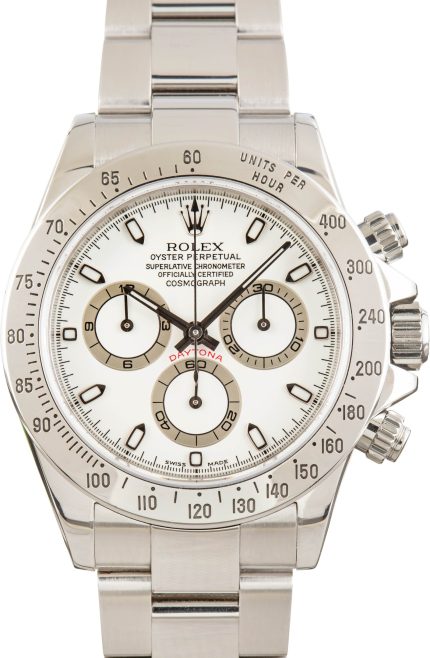
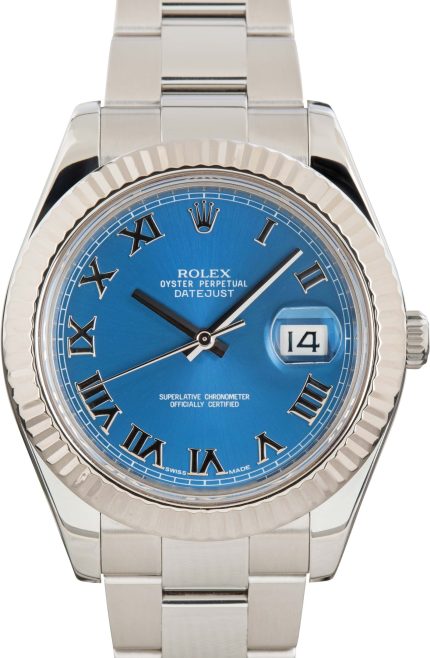
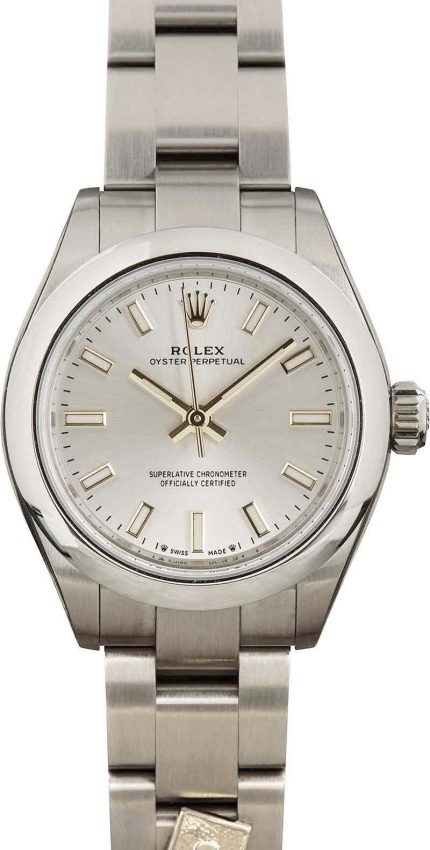
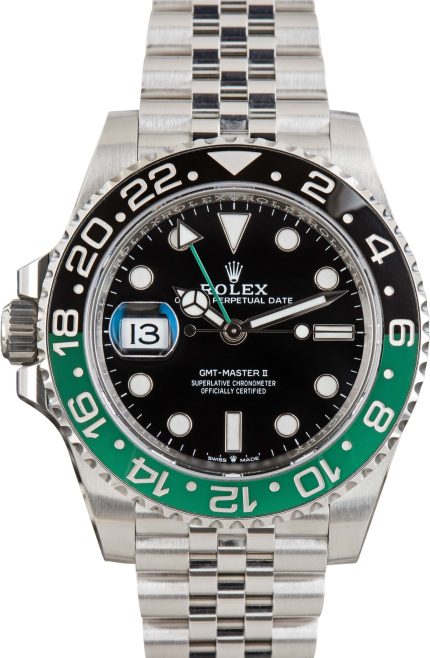
Here’s the core idea: entry-level Rolex isn’t an official term from the brand. It’s really about how the market and collectors see it. Basically, it points to the most affordable watches in the Rolex lineup.
A 2023 report from WatchCharts showed something interesting. In the pre-owned market, most first-time buyers go for stainless steel Rolexes priced under ten grand. What are these watches like?
They’re usually made of Oystersteel, that’s Rolex’s special stainless steel. They have classic, versatile looks. And often, they just tell the time or maybe add a simple date. They’re the foundation. You buy one to start your collection, not necessarily to show off.
Key thing to remember: an entry-level Rolex isn’t a worse watch. It still has the brand’s core DNA. Think about the famous Oyster case, waterproof since way back in 1926. And the Perpetual self-winding movement is in there too.
Take the 36mm Oyster Perpetual. That’s a perfect example of an entry-level Rolex. It skips the date window and rotating bezel. Its whole focus is on telling time, and it does that with great precision and is super easy to read.
That simplicity is actually its strength. That’s what makes it the classic entry point. So what’s the value? You’re getting amazing craftsmanship, a movement made entirely in-house (and all certified as top-notch chronometers), plus a look that never goes out of style.
Now, let’s clear up some common myths and set realistic expectations.
First big myth: people think an entry-level Rolex is cheap or easy to walk into a store and buy. But demand is huge and production is controlled. So even these models usually have waiting lists at official dealers.
The retail price is just the sticker price. What you actually end up paying in today’s market might be more. Another myth? That they’re all small or just for guys. Rolex’s entry-level actually comes in a bunch of sizes.
Look at the Oyster Perpetual. You can get it in 28mm, 31mm, 34mm, 36mm, and 41mm. There’s something for everyone.
Let’s talk budget. Realistically, if you want a brand new Rolex from a dealer, you’re looking at around $6,000 to start. That’s for the most basic Oyster Perpetual. But that price really depends on the specific model and size you pick.
It’s key to get this: entry-level for Rolex is relative. It’s about their own lineup of watches. You’re still investing in a luxury item, so the price tag matches that. When you set your budget, don’t forget the pre-owned market.
You might find older or discontinued models, like a Datejust or Air-King, that fit an entry-level budget better. Just remember, the watch’s condition and service history are super important.
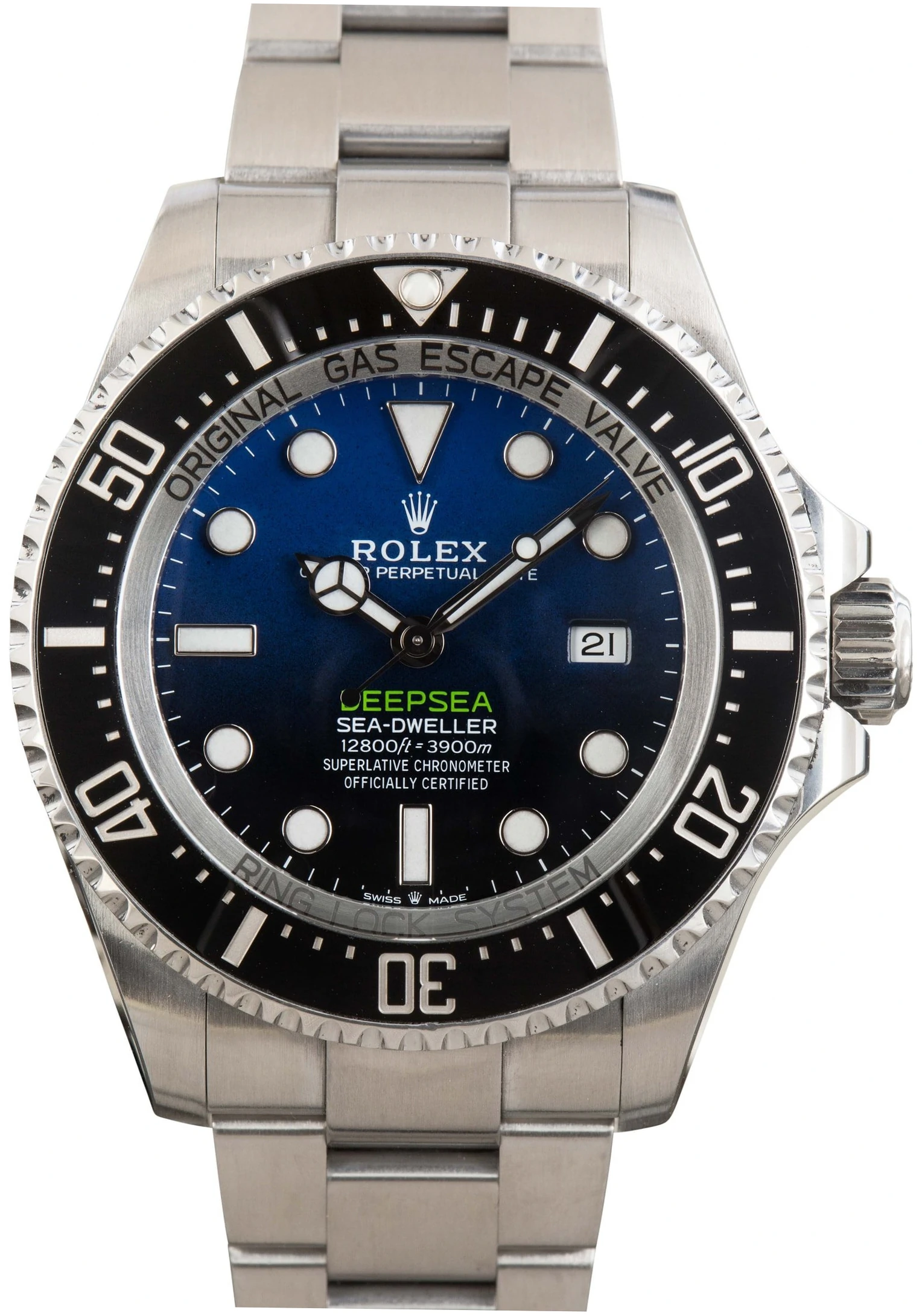
So, you’re looking for your first Rolex? Here are the top picks.
First up, the Oyster Perpetual. It’s the purest way to get into Rolex.
Why? Because it’s pure Rolex. The Oyster Perpetual, or OP, gives you that undiluted essence. It comes straight from the original 1926 Oyster, which was the world’s first waterproof watch. No date, no fancy bezel.
Just a clean face and a solid case. The OP is all about the basics of great watchmaking. I usually tell people to go for the 36mm or 41mm size. Classic colors like black or silver are great, and that vibrant sunray blue is a real standout.
It’s super versatile. It looks just as good with a t-shirt and jeans as it does with a suit. As your first Rolex, it lets you really appreciate the little things. You notice the bracelet quality, the smooth second hand, and the solid feel of a well-made watch, with nothing else getting in the way.
Where does it stand? The Oyster Perpetual is at the simpler, more affordable end of Rolex’s current lineup. Its real value is in that simplicity. It’s a watch you buy for life, perfect for starting a one-watch collection.
Sure, some special colors like the discontinued Tiffany blue can cost a fortune second-hand. But the standard models are still your easiest route to a brand new Rolex.
And because it’s simpler, servicing it is usually a bit cheaper than a watch with a date function. That’s a small but handy thing to think about for the long run.
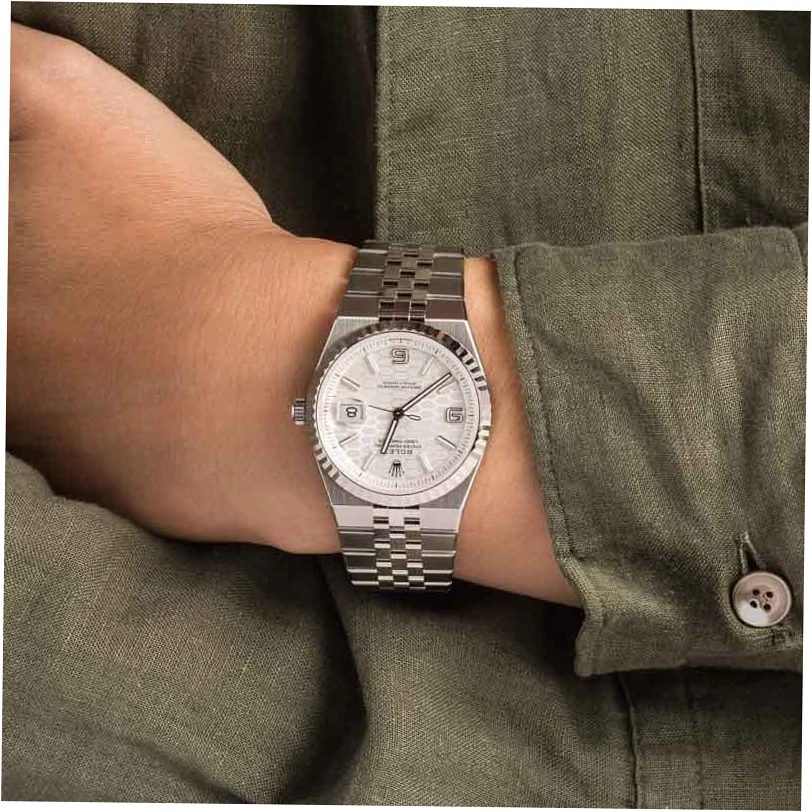
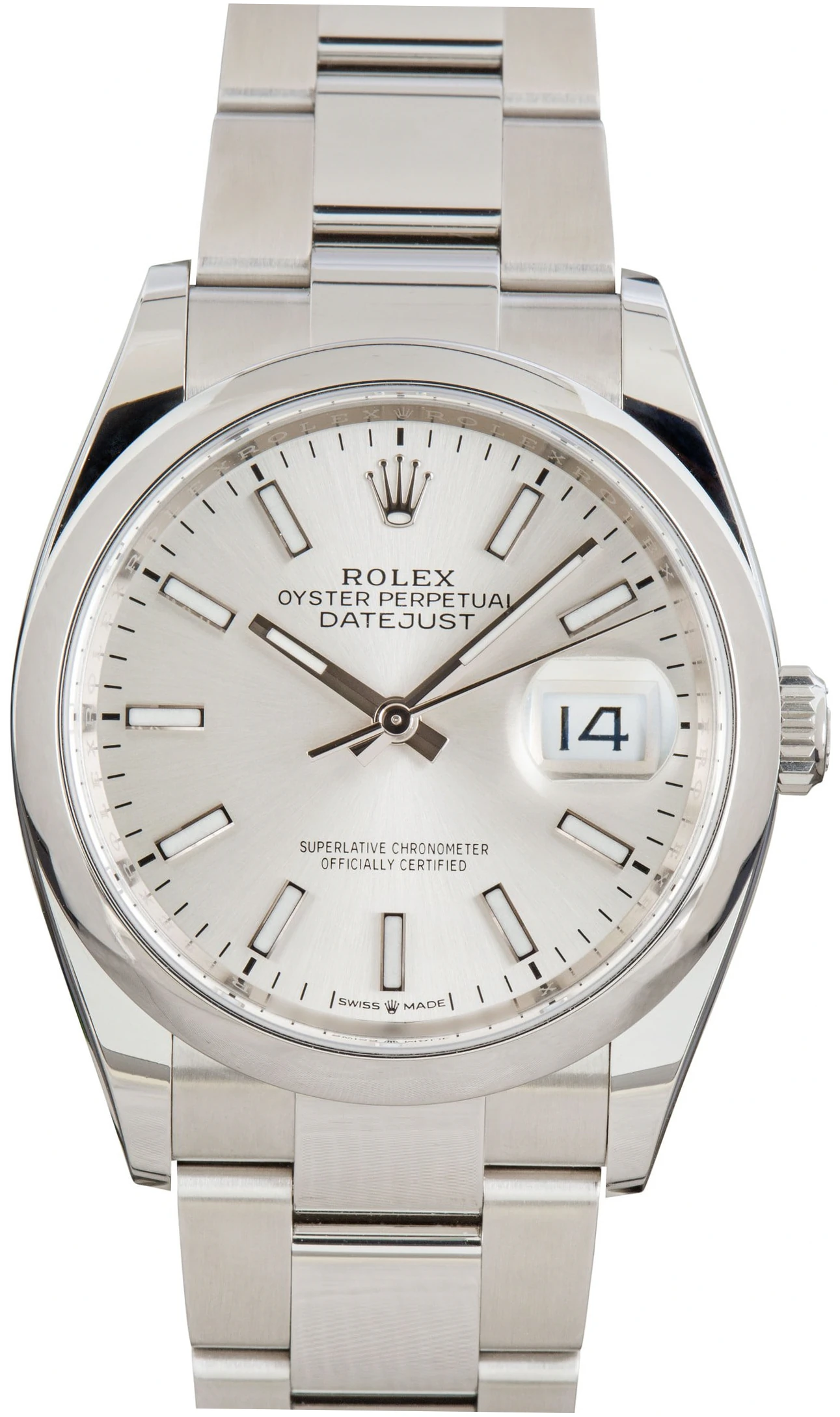
Next, the Rolex Datejust. This is the classic.
It’s been around since 1945. Back then, it was the first self-winding watch to show the date in a window on the dial. You could argue it’s the most famous Rolex ever.
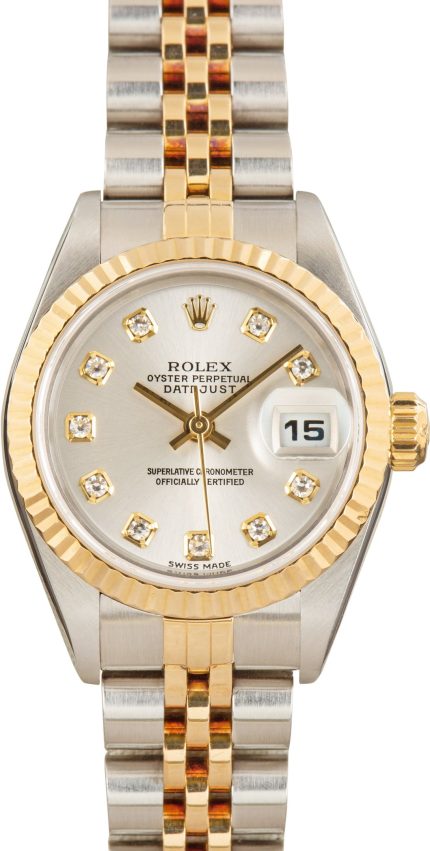
For an entry-level pick, we usually mean the stainless steel ones, often with a smooth bezel and the Oyster bracelet. The 36mm size is legendary, but the 41mm Datejust 41 gives you a more modern fit.
It’s a fantastic first Rolex because it balances function and style perfectly. The date is really useful, and the design is iconic, especially with that signature magnifying Cyclops lens over the date.
You get more choices with the Datejust than the OP. That’s exciting, but it can also feel a bit overwhelming. You can pick an Oyster bracelet or a Jubilee bracelet, and go for a fluted bezel or a smooth one.
My advice? Try them on before you decide. A Jubilee bracelet with a fluted bezel, especially in two-tone or gold, dresses it up. The Oyster bracelet with a smooth bezel keeps things more sporty and low-key.
A stainless steel Datejust with a white or black dial is one of the most versatile watches anywhere. It moves from day to night without a hitch.
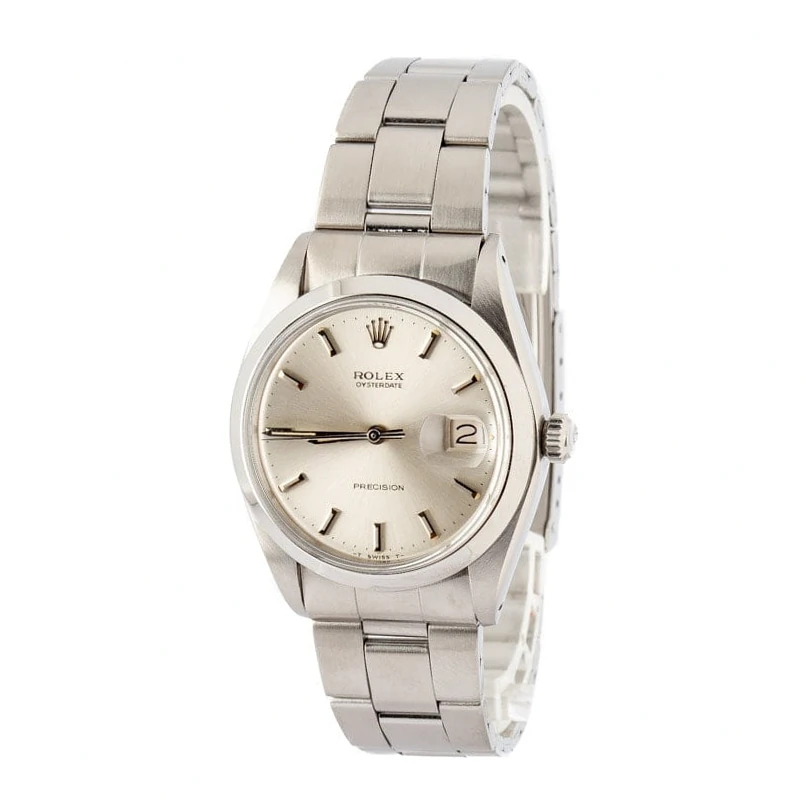
Alright, so you’re looking beyond the classic styles and want something sporty that won’t break the bank.
Let’s talk about the Rolex Air-King. It’s often seen as the go-to entry point into Rolex’s tool watches.
First off, the Air-King has a pretty cool backstory. It all started back in the 1940s. Rolex made these aviation-themed watches for RAF pilots, and that’s where the Air-King comes from. The latest model, ref.
126900, is a bold 40mm watch. Its dial really stands out with big 3, 6, and 9 numbers and a minute scale, which nods to its navigation roots. Under the hood, it’s got the same high-tech Caliber 3230 movement you’ll find in Rolex’s pro models.
If you think the Oyster Perpetual or Datejust are a bit too dressy or common, the Air-King is a great alternative. It’s got a tougher, more instrument-like vibe. Plus, its price is still one of the more accessible ways to get into a Rolex.
What’s the appeal? Well, the Air-King’s charm lies in its unique, super-legible dial. It’s all stainless steel with a solid Oyster bracelet, which gives it a robust feel. There’s no date window, which keeps things clean and simple.
It’s a watch that says something without shouting. Traditionally, it’s also been a bit easier to find at retail than, say, a Submariner or GMT-Master II—though it’s still tough. This makes it a solid entry-level Rolex for anyone who loves the tool-watch look but finds those other models too pricey.
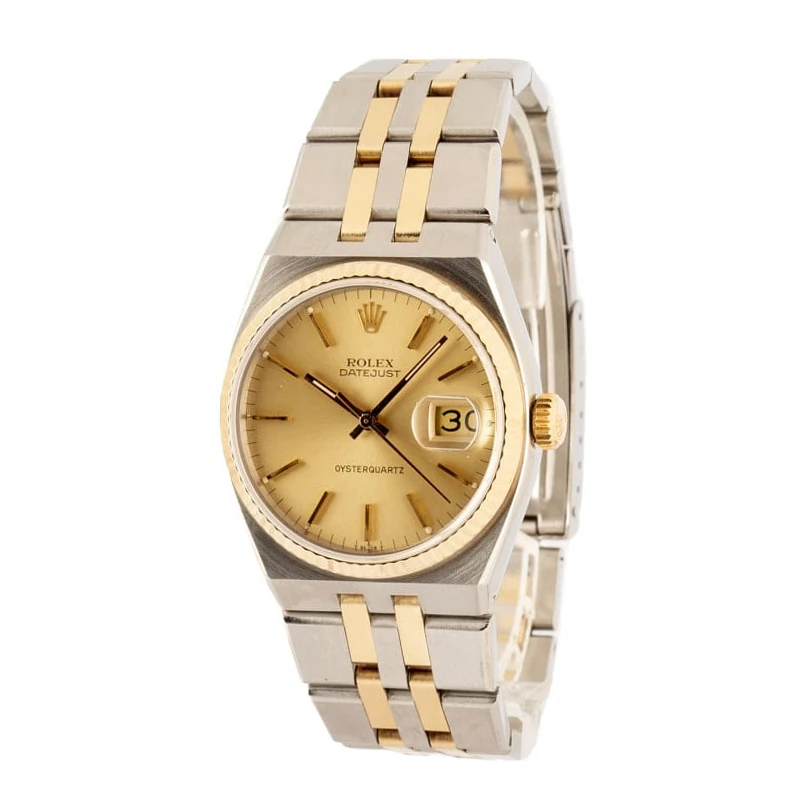
Now, another great way to find your first Rolex is to check out the pre-owned market.
Think of it as a treasure hunt. The pre-owned and vintage scene is packed with gems for a first-time buyer. Your entry-level options here open up a lot. You could look at older Datejusts, like the 16200 from the 90s.
Or maybe discontinued pieces like the Turn-O-Graph or the older 34mm Air-King 5500. Often, these watches sell for less than a brand new Oyster Perpetual, which means you can get amazing value. But, you gotta be more careful going this route.
My advice? Always buy from a well-known, trusted dealer. Make sure they offer authentication, share the service history, and give you a warranty.
Here’s your checklist when looking at a pre-owned entry-level Rolex: condition, originality, and service history are key. A light polish is fine, but if it’s been over-polished and the edges are all rounded off, that hurts the watch’s value.
Make sure the dial, hands, and bezel are all the original parts. Ask if it’s been serviced recently and for the receipt. If not, remember to budget for a service—that can run you $800 to $1,200 at a Rolex Service Center.
Sometimes, a watch from the early 2000s that’s just been serviced is a smarter purchase than an older, unserviced one from the 80s.
Let’s talk price and value: what you’ll actually pay for an entry-level Rolex.
First, you need to know the difference between buying from a store and buying second-hand.
Here’s the deal with entry-level Rolex prices: you’ve got two totally different markets to figure out. At an official Rolex dealer, you pay the sticker price, but actually finding one to buy is the real challenge.
Check out the table for a rough idea of starting prices from late 2023, but keep in mind these can change.
| Watch Model | Example Reference Number | Starting Price (USD) |
|---|---|---|
| The Oyster Perpetual 36 | ref. 126000 | starts around $6,150. |
| The Oyster Perpetual 41 | ref. 124300 | starts around $6,400. |
| A basic steel Datejust 36 with an Oyster bracelet and smooth bezel | ref. 126200 | starts around $7,650. |
| The Air-King | ref. 126900 | starts around $7,400. |
Then there’s the second-hand market, with resellers and auction sites. That’s all about supply and demand. Popular versions often go for more than the store price. Take a discontinued model like the Oyster Perpetual 39, or a special dial color—they can cost a pretty penny. So, do your homework! Check sites like Chrono24 or WatchCharts to see what things actually sold for recently, before you buy anything, new or used.
Now, let’s look at it as an investment and what it really costs to own one.
Thinking long-term: you shouldn’t buy one just to flip it, but Rolex watches, especially the steel sport models, really hold their value well. The Bloomberg Subdial Watch Index tracks the second-hand market and shows some Rolex models have even beaten the stock market at times. For an entry-level Rolex, it’s more about your money keeping its value, not shooting up in price. A Datejust in good shape, especially with its original box and papers, will probably stay valuable for years.
Remember, the price tag isn’t the whole story. Factor in the cost of ownership: insurance (typically 1-2% of the insured value per year), periodic servicing (recommended every ~10 years, costing $800 ), and potential accessories.
A watch winder isn’t a must, but it’s handy for keeping an automatic watch running. It’s best to think of your first Rolex as a keeper, not a quick sale.
That fits with the brand’s idea of building things that last and never go out of style. Thinking that way makes the big upfront cost easier to swallow.
So, you’re making your decision and figuring out the next steps.
Here’s the essential step: always try before you buy.
Getting the physical experience is key. You can read tons of articles, but honestly, nothing beats actually trying the watch on your own wrist. Go visit an authorized dealer, even if they’re out of stock.
Just ask to try on the display models or watches that are a similar size. Pay attention to how a 36mm Datejust feels compared to the 41mm one. Do you like the Jubilee bracelet more than the Oyster for your style?
Does the Air-King’s 40mm case seem bigger on your wrist than you thought? The weight, how comfy the bracelet is, and how easy the dial is to read in different light—these are personal things. They’ll help you decide way more than any list of specs.
You’ll need to build a relationship. For popular entry-level Rolex models, like an Oyster Perpetual, getting on a waitlist at a dealer is just how it’s done. Be polite, show you’re really interested, and don’t just visit once—go back a few times.
If you build a good rapport with a salesperson, your chances of getting that entry-level Rolex will get better. Make sure you’re clear about which model you want, the size, and the dial color. In this whole process, patience is your best accessory.
Now, let’s talk about caring for your first Rolex.
Daily Wear and Maintenance: First off, congrats on your purchase! Now, the most important thing is to wear it. These watches are made to be worn every day. The Oyster case is really tough against water and shocks.
For everyday cleaning, all you need is a soft microfiber cloth and some mild soapy water. Just try to keep it away from harsh chemicals, really strong magnets, and sudden hot or cold changes. Here’s a basic care routine outlined in the table below.
| What to do | How often | How to do it |
|---|---|---|
| For a light clean | Do this weekly | Use a soft brush with soapy water, rinse it off, and dry it with a soft cloth. |
| Winding it (if you don’t wear it daily) | Whenever it needs it | Unscrew the crown and wind it about 30 times until you feel a little resistance. |
| Getting professional service | Every 8 to 10 years | Send it to a Rolex Service Center or a trusted independent watchmaker. |
About servicing: don’t wait until the watch actually stops. Rolex suggests a service about every 10 years. They’ll replace seals, lubricate the movement, and make sure it’s still waterproof and accurate. It’s a pretty big cost, but it’s super important. It keeps your watch working well and holds its value for decades. Always keep the service records with the watch’s original box and papers.
Conclusion and Final Thoughts
Picking out your first Rolex? It’s a super exciting step into the world of amazing watches.
Just remember, even an entry-level Rolex—like the simple Oyster Perpetual, the timeless Datejust, or the cool Air-King—is a top-notch watch. It’s made to last a lifetime, maybe even for your kids. It’s a real milestone piece.
Don’t just go for what you think might be the best investment. Pick the one that really fits your style and feels good on your wrist. Do your homework first. Be realistic about how easy it is to find one and what it’ll cost.
And always, always buy from a trusted seller. The perfect first Rolex for you is the one you’ll want to put on every single day.
So, ready to start your Rolex journey? Tell us in the comments which entry-level Rolex you’re leaning towards! Or, check out our deep dive comparing the Oyster Perpetual and the Datejust to help you make up your mind.
Got questions about your first Rolex? We’ve got answers.
So, what’s the cheapest new Rolex you can get?
Right now, if you’re buying new from a Rolex dealer, the most budget-friendly pick is usually the Oyster Perpetual. You can get it in the smallest 28mm size or the 36mm with a plain dial. Prices start around $6,000 to $6,500.
But here’s the catch: finding one at that price is tough, and you’ll probably end up on a waiting list.
What about buying a used Rolex for your first one?
For sure, but you gotta do your research first. The used market is great because you can find older models they don’t make anymore, and you can often get one right away without waiting, sometimes for a better price.
The most important thing is to buy from a seller you can trust, someone reputable who promises it’s real and backs it up with a warranty. Always ask for clear, close-up pictures, check if it’s been serviced, and look up what that specific model (its reference number) is going for.
For your first Rolex, which is better: the Oyster Perpetual or the Datejust?
That really comes down to personal taste. The Oyster Perpetual is all about clean, classic looks and it’s usually a bit cheaper. The Datejust gives you a handy date window and more ways to customize it.
like with different bracelets or bezels, so some folks find it more versatile. Your best bet is to try them both on your wrist. The Datejust has that famous magnifying bubble over the date, while the OP’s dial is super clean and minimalist.
Okay, how much money should I set aside for my first Rolex?
If you’re going brand new from a Rolex dealer, plan on spending at least $6,000 to $8,000 just for the watch. Looking at used watches, you might find some good older ones in nice shape starting around $5,000.
Remember to also budget for additional costs like sales tax, insurance (1-2% of value annually), and future servicing ($800 every decade).