Blog
Why Did Your Rolex Suddenly Stop Working?

It’s really confusing and worrying when your Rolex stops working. That’s especially true since Rolex is known for being super reliable and precise. Whether you own a classic Submariner, a sophisticated Datejust, or even watches similar to Rolex Oyster Perpetual models, a sudden halt in operation typically indicates specific underlying issues rather than random failure. This guide looks at all the common reasons why your Rolex might stop working. We’ll cover everything from simple power reserve issues to bigger mechanical problems. Plus, we’ll give you practical steps to get your watch running perfectly again.
Table of Content
Here’s why your Rolex might have stopped ticking
Your Rolex could have power reserve problems or winding issues
Recommended Products
You might be interested in these products
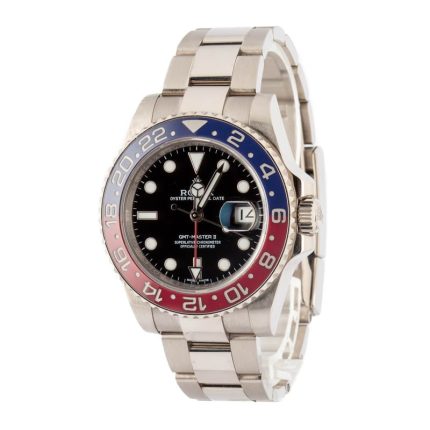
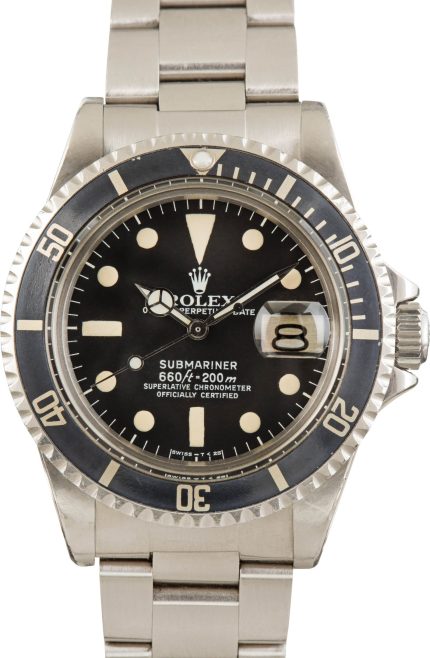

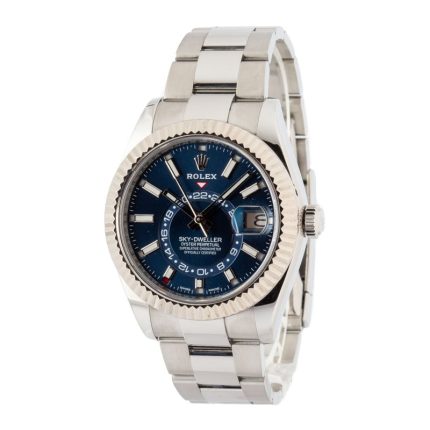

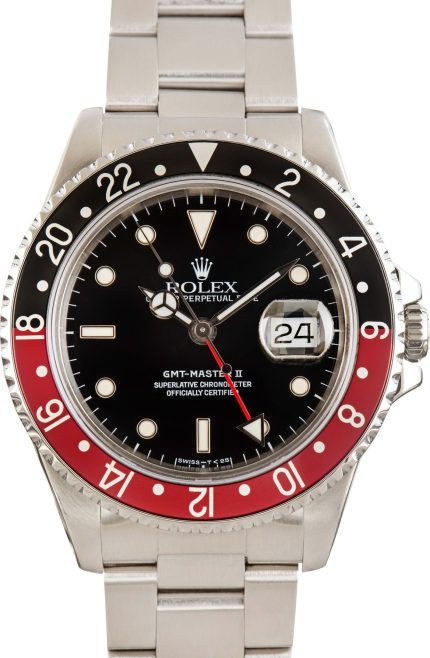
Most modern Rolexes have automatic movements that use energy from your wrist movement Rolex says most watches can run about 48 hours on a full wind If you haven’t worn your watch for over two days or moved around much.
the mainspring probably just ran out of energy This happens often with dress watches you don’t wear every day or when you’re less active.
If your automatic Rolex has stopped completely, gently wind the crown clockwise 30-40 times to build up power before setting and wearing it Don’t overwind it though – Rolex movements have a safety feature that prevents damage from too much winding If it stops again soon after winding and wearing, you might have problems with the automatic winding or mainspring that need a pro to check out.
Your Rolex could have impact damage or magnetic field issues
Even though Rolexes are built tough, hard impacts can still damage the inside The delicate parts like the balance staff, hairspring, and gears can easily get damaged from sudden bumps A recent watchmaker study found that impact damage causes about 23% of luxury watch problems Even if the outside looks fine, internal parts might be knocked loose or broken, stopping your watch from working.
Today’s watches face lots of magnetic sources like phones, tablets, medical gear, and household appliances Rolex uses special anti-magnetic hairsprings in most new models.
but strong magnets can still mess with accuracy or stop your watch completely If your watch suddenly runs super fast or stops after being near magnets, a watchmaker can usually fix it by demagnetizing without replacing any parts.
Mechanical Failures and Component Wear
Mainspring and Gear Train Complications
Let’s talk about the mainspring – it’s what powers your mechanical watch. If it fails, that’s often why your Rolex stops working completely. Mainsprings can break, lose their springiness.
or not transfer power right because the barrel teeth get worn down. Rolex uses special alloys to make their mainsprings tough, but just like any moving part, they wear out over the years.
If your mainspring breaks, your watch won’t wind at all. Even if it’s just lost its spring, it might not store enough power to keep going.
gear train and Escapement Issues: The gear train takes power from the mainspring and sends it to the escapement – that’s what controls your watch’s timing. If any gear, pinion, or the escapement gets damaged, your whole watch can stop dead.
You might see worn pivot holes, broken teeth, or old lubricant that’s dried up and turned gritty. Rolex service centers say about 35% of watches that completely stop need gear train or escapement fixes. This usually happens from long-term wear or not getting regular maintenance.

Balance Wheel and Hairspring Problems
Balance Assembly Vulnerabilities: The balance wheel and hairspring are really the heart of your watch’s timing system. Even small damage to these parts can make your watch stop right away.
Common problems are a misaligned balance staff, a magnetized hairspring where the coils stick, or physical damage that bends the hairspring out of shape.
Rolex’s special Parachrom hairspring handles magnets and shocks better, but really strong impacts or bad handling during past repairs can still damage it.
Amplitude and Beat Rate Analysis: When your Rolex is fully wound and working right, the balance wheel should swing strongly between 250-310 degrees. If that swing gets much smaller, it means there’s friction.
lubrication problems, or power isn’t transferring right – any of these can make your watch stop. Also, if the timing between ticks and tocks gets off by more than 1.0 millisecond, your watch might suddenly stop even if it has plenty of power.
You’ll need a professional watchmaker with special timing equipment to check these things properly.
<
Your Rolex might stop working because of environmental factors and poor maintenance.
Moisture getting in and extreme temperatures can really mess up your Rolex.
Water Resistance Degradation: Rolex watches are famous for being water resistant, but that protection doesn’t last forever. Over time, the gaskets wear out, crown tubes get damaged, or the crystal seating develops problems. Here’s how those water resistance ratings actually work in real life:
| Water resistance level | What it’s good for | When to get it checked |
|---|---|---|
| 100 meters deep | Perfect for swimming and snorkeling | Get pressure tested every 2-3 years |
| 300 meters deep | Made for professional diving | Needs yearly testing if you dive professionally |
| Sea-Dweller goes 4000 meters deep | Built for commercial diving and deep sea work | Professional divers should test it every 6-12 months |
If you see condensation inside the crystal, that’s really bad news. You need to get it to a professional right away. If you ignore moisture, it will rust the moving parts, ruin the lubrication, and eventually stop your watch completely. Interestingly, even genuine Rolex watches and Rolex Yacht Master clone timepieces share similar vulnerability to moisture damage when seals become compromised, highlighting the universal importance of regular water resistance testing regardless of a watch’s provenance.
When to get it checked Neglect and Lubrication Breakdown
Manufacturer Service Recommendations: Rolex says you should get full service about every 10 years, but this depends on your watch model, how old it is, and how you use it.
When I worked at an authorized service center, we saw that watches used in tough conditions usually need service every 5-7 years. If you skip these services, the lubricants break down, parts rub together more, and eventually your Rolex will stop working entirely.
Lubrication Deterioration Effects: Watch lubricants don’t last forever. Over time, they break down, evaporate, or move away from where they’re needed most.
When lubricants dry up, they turn into gritty stuff that wears down pivots, gears, and the escapement faster. Here are the main spots that need lubrication and when they typically wear out:
| Watch part | Type of lubricant | How long it lasts |
|---|---|---|
| Balance staff jewels | Special watch oil | 7-10 years |
| Mainspring barrel | Mainspring grease | 8-12 years |
| Gear train pivots | Medium watch oil | 6-9 years |
| Keyless works | Thick grease | 10-15 years |
External Components and User Error
Crown and Setting Mechanism Complications
Crown tube and stem problems are really common reasons your Rolex stops working, especially with older watches or ones that have been around sand. When the crown tube wears out, your watch can lose its water resistance.
and if the setting lever or clutch wheel gets damaged, you might not be able to wind it properly. Sometimes people screw the crown down too hard without realizing it, which can damage the threads or strip the parts inside.
Interestingly, both genuine Rolex watches and watches similar to Rolex Oyster Perpetual models share this vulnerability, as the crown assembly remains one of the most frequently manipulated components.
The setting mechanism can get knocked out of alignment if you handle your watch roughly or it takes a hard hit. You might notice it’s hard to set the time, the date won’t change, or the winding just stops working completely.
In bad cases, even when you turn the crown correctly, the watch still won’t wind. You’ll need to take it to a good watchmaker who can take it apart and fix or replace the damaged parts inside.

Bracelet and Case Interference Problems
If you wear your bracelet too tight, it puts constant pressure on the watch case, which can mess with how the crown works, and sometimes even bend the case enough to cause rubbing inside.
Newer Rolex cases are built tough, but older vintage models with softer metals can actually get bent out of shape from an overly tight bracelet. This is one of those sneaky reasons why your Rolex stops working that most people don’t think to check.
When you put on non-Rolex bracelets, bezels, or crystals, they sometimes don’t fit right inside and can press on parts they shouldn’t, messing with how the movement works.
This is particularly relevant for owners of Rolex Yacht Master clone watches or those who have fitted aftermarket components to genuine Rolex timepieces.
Even a tiny bit of contact between aftermarket parts and the movement inside can stop the balance wheel from turning properly or create friction that kills your power reserve when you least expect it.

Troubleshooting Steps Before Seeking Professional Help
Initial Diagnostic Procedures
Systematic Power Reserve Check: First, try winding your Rolex crown about 30-40 times if it’s an automatic watch, then see if the second hand starts moving. Just let the watch sit and watch how long it keeps going.
If your Rolex stops working after just a few hours even though you wound it fully, that’s a sign of serious power transfer problems that need a watch expert. Take notes on exactly when and how your Rolex stops working – this really helps watchmakers figure out what’s wrong.
Visual and Audio Inspection: Take a close look at your watch with a magnifying glass to spot any visible damage, things being out of place, or tiny particles.
While you’re winding, gently turn the watch near your ear and listen for weird grinding or clicking sounds that could mean something’s broken inside. When a Rolex is working right, the winding should feel smooth and you’ll barely hear anything.
If you hear grinding, feel skipping, or there’s no resistance at all when winding, that points to internal damage and you should get it checked by a pro.

Environmental Factor Assessment
Recent Exposure Evaluation: Think back – has your watch taken any hard knocks lately, been near strong magnets, or been in really hot or cold places? Powerful magnets from MRI machines, speakers.
or magnetic clasps can mess with your Rolex’s movement parts without showing any visible signs. Same goes for going from really hot to really cold – that can change how the oils work and even make metal parts expand or shrink enough to temporarily stick. Keeping track of these possible exposures helps watchmakers know where to start looking when you bring your Rolex in for service.
Usage Pattern Analysis: Also think about whether you’ve changed how you wear your watch – that might explain why your Rolex stopped working. Moving around less, rotating between different watches.
or changing how you store it overnight – these things affect automatic Rolex watches way more than quartz watches. Sometimes fixing why your Rolex stopped working is easy – just wear it more regularly or get a watch winder if you don’t wear it every day.
When to Seek Professional Rolex Service
Identifying Serious Mechanical Issues
If your Rolex keeps stopping even after you’ve wound it properly, worn it regularly, and kept it away from environmental hazards, you probably need professional help.
Modern Rolex movements have 200 to 300 tiny parts that need to work together perfectly, with precision down to thousandths of a millimeter. Trying to fix it yourself beyond basic checks might make things worse or create new problems if you handle it wrong.
Specialized Tool Requirements: Rolex watches need special tools to open the case properly, take out the movement, and fix individual parts. Using regular tools often damages the case back, scratches internal parts.
or gets metal bits into the movement. Paying for professional service makes sense because they have the right tools and training, especially for valuable watches where keeping everything original protects their long-term worth.
Selecting Appropriate Service Providers
Authorized Service Center Benefits: Authorized Rolex service centers have real Rolex parts, factory manuals, and watchmakers specially trained to work on Rolex movements.
They might cost more than independent shops, but they promise to keep your watch original and usually give longer warranties on their work. If your watch is still under warranty or is a valuable collectible, this is the safest choice even though it’s pricier.
Qualified Independent Watchmaker Considerations: Good independent watchmakers who know Rolex watches well can do great work for less money, especially for older models or watches without warranty.
When picking an independent watchmaker, check if they’ve worked on your specific movement before, ask where they get parts, and get references from past customers. Lots of skilled watchmakers used to work at authorized centers and still keep high standards while charging less.
So when your Rolex stops working, it’s usually for specific reasons – from simply running out of power to more complicated mechanical wear. Going through basic troubleshooting steps helps you figure out if it’s something simple you can fix or if you need a pro. Getting regular maintenance is still the best way to prevent surprise stoppages and keep your watch working well and valuable. Don’t forget that even the best mechanical watches need regular care to keep working their best.
Have you ever had your luxury watch suddenly stop working? Tell us what happened in the comments, or check out our detailed guide to Rolex maintenance schedules for more preservation tips. Your story could help other watch lovers deal with similar problems with their prized watches.
FAQ About why did my rolex stop working
Why did my Rolex stop working after I wound it?
So your Rolex stopped working right after you wound it up? That could mean a few things – maybe the mainspring’s broken and won’t hold power, there’s trouble with the automatic winding parts.
or the lubricants have dried up and created too much friction. It might seem like it’s winding just fine, but the energy isn’t actually getting to the gear train. You’ll probably need a pro to check it out and figure out exactly which part has failed.
Can magnetism permanently damage a Rolex movement?
Modern Rolexes with Parachrom hairsprings are pretty good at resisting magnets, but really strong magnetic fields can still mess with their accuracy or even make them stop temporarily.
They don’t usually get permanently damaged unless the magnetization is super strong or lasts a long time. Most magnetic problems go away completely after a professional demagnetization – that’s the first thing to try if your watch starts acting weird after being near magnets.
How long should a Rolex run after full winding?
Most newer Rolex automatics will run for about 48 hours when you wind them up fully. Older vintage models might give you a bit less – maybe 40 to 45 hours.
If your watch quits way before it should even though you wound it properly, that points to efficiency problems – could be the movement’s worn out, lubrication issues, or trouble transferring power.
What does it mean if my Rolex stops when I’m wearing it?
When your Rolex stops while you’re wearing it, that usually means the automatic winding system isn’t doing its job right – it’s not converting your wrist movement into stored energy properly.
This could be from a worn rotor bearing, damaged reversing wheels, or problems with the mainspring. This kind of issue usually gets worse slowly over time rather than happening all at once, and you’ll need a professional to take it apart and fix it right.