Blog
What Makes Rolex Watches So Expensive?

When you first pick up a Rolex, you immediately wonder why these watches cost so much. Sure, the luxury brand name is obvious, but there’s actually amazing watchmaking skill behind these high prices. The real reason comes down to three things: their history, incredible craftsmanship, and smart marketing that made Rolex the top status symbol. Everything matters – from their famous Oyster case to how carefully they’re made. These aren’t just watches to tell time, they become family treasures.
Table of Content
Unmatched Craftsmanship and Materials
Precious Metals and Gemology
Recommended Products
You might be interested in these products
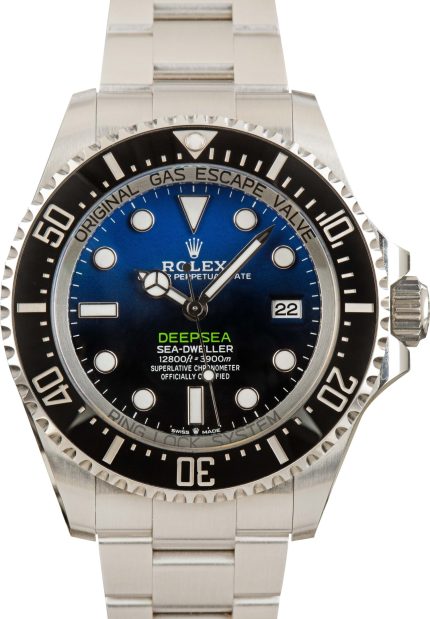
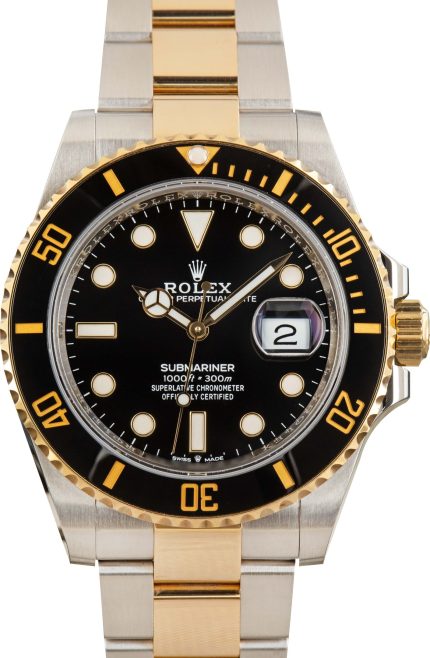
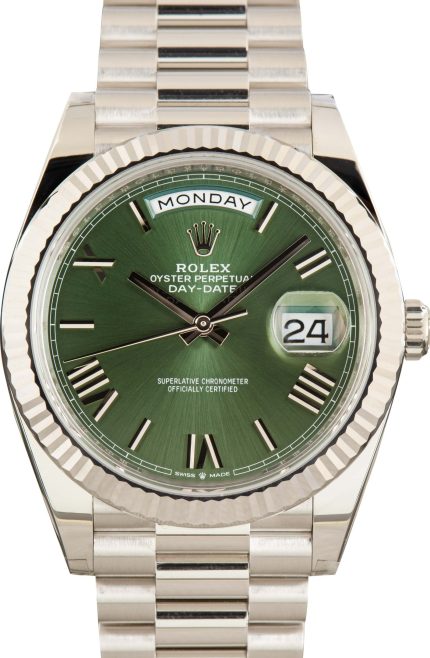

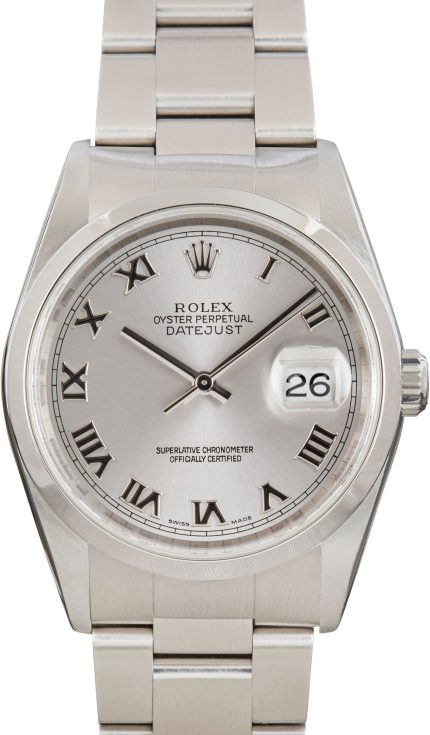
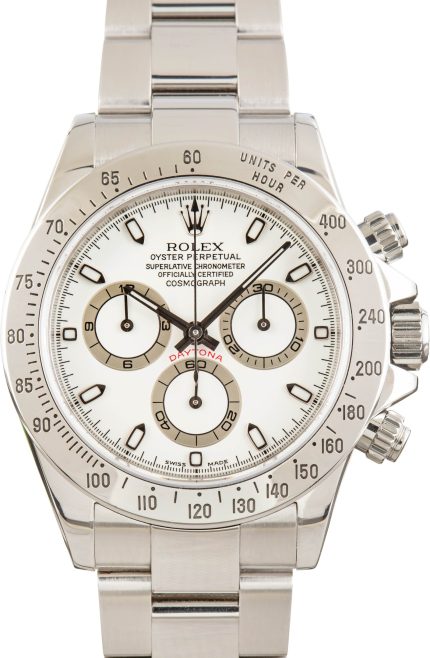
Rolex never cuts corners on materials, that’s why they’re so expensive. Their special Everose gold keeps its color forever, while regular rose gold fades over time.
The Cerachrom bezels are super tough – they don’t scratch or fade because they’re made from really hard ceramic. Even their steel is special – 904L stainless steel resists corrosion way better than the 316L steel other brands use.
This focus on quality materials shows up in all their watches, even the famous Day-Date models that have precious stones set by expert gemologists.
Every single part gets tested thoroughly and finished perfectly. The movements use Parachrom hairsprings that aren’t affected by magnets and can handle shocks ten times better.
Just polishing the case takes multiple steps with diamond-tipped tools. That’s why fixing a Rolex needs special skills and tools that only authorized centers have.
In-House Manufacturing Mastery
Unlike other watch companies that buy parts elsewhere, Rolex makes almost everything themselves. They make their own gold mixtures and sapphire crystals, which means they can keep quality super consistent.
They’ve got their own metal foundries, labs for developing lubricants, and clean rooms for putting movements together. Doing everything themselves means amazing quality control, but it also drives up the cost a lot.
Watchmakers train for years before they’re allowed to work on Rolex movements. During assembly, they check everything multiple times and test the movements in different positions to make sure they’re accurate.
Every watch gets pressure-tested for water resistance and then watched for 15 days at the end. This explains why finding your Rolex serial number location reveals not just production date but access to this heritage of meticulous craftsmanship.
Rolex puts a lot of money into research and development
They have a strong history of innovation
Historical Breakthroughs: The Rolex Oyster history began in 1926 with the world’s first waterproof wristwatch case, a innovation that revolutionized watchmaking.
That innovative spirit still drives them today as they pour money into research, working on new materials, making movements more efficient, and boosting durability Take the Paraflex shock absorbers they launched in 2005 – these give 50% better shock protection than regular systems, showing how they keep making small but important upgrades.
On the technical side, Rolex files tons of patents every year that cover everything from making bracelets more comfortable to improving how movements work Their Chronergy escapement boosts energy efficiency by 15%.
and the Syloxi hairspring in women’s watches is ten times more precise than old-style hairsprings All this ongoing innovation means spending huge amounts on labs, equipment, and expert engineers – costs that naturally get passed on to the price you pay.
| When | What they created | How it changed things |
|---|---|---|
| 1926 | Oyster Case | First waterproof wristwatch ever |
| 1931 | Perpetual Rotor | First self-winding system |
| 1953 | Submariner | Waterproof down to 100 meters |
| 2005 | Paraflex | 50% better at handling shocks |
| 2015 | Chronergy | 15% more efficient |
Production Limitations and Exclusivity
Controlled Manufacturing Volume
Limited Output: Rolex only makes about a million watches each year, even though people all over the world want them. That’s way fewer than regular watch brands produce.
By keeping numbers low on purpose, Rolex keeps their watches super desirable and prices high on the resale market. Making these watches takes a really long time. Some models need more than a full year to finish.
That’s why you’ll find waiting lists at official dealers, especially for those popular stainless steel professional watches.
Quality Over Quantity: Each Rolex goes through crazy amounts of testing that regular watch companies couldn’t afford to do. The Superlative Chronometer certification requires accuracy of -2/ 2 seconds per day.
twice as strict as the official COSC certification. Being this obsessed with accuracy means they can’t make watches fast. These natural slowdowns in production definitely push prices up.

Authentication and Counterfeit Protection
Anti-Counterfeiting Measures: You can tell how much people want Rolexes by all the fake super clones out there, like the Yacht-Master copies. Rolex spends big money on anti-fake tech.
They use tiny crown engravings on the glass, move serial numbers around every so often, and create special movement features that are nearly impossible to copy. All these security steps cost more to make, but they keep the Rolex brand legit.
Verification Processes: Every real Rolex comes with papers, warranty cards, and sometimes hologram stickers that prove it’s genuine. Where they put the serial number changes depending on when the watch was made.
Older ones have it between the lugs, newer models on the inner bezel, and now they’re hiding it inside the movement. This constantly changing verification system costs money to keep updating, but it makes sure every watch’s history can be checked.
Brand Heritage and Marketing
Historical Significance
Proven Legacy: The Rolex Oyster history includes numerous milestones that cement its reputation. Think about it – it went with Sir Malcolm Campbell for his land speed records and was the first watch to reach Everest’s summit.
These aren’t just marketing stories; they prove the watch works in extreme conditions. That’s why Rolex costs so much. You’re not just buying a watch; you’re getting a piece of watchmaking history.
Rolex is also brilliant at cultural positioning. They’ve made themselves the ultimate symbol of success. They sponsor big events like Wimbledon and partner with top cultural spots, which gives them this aura of excellence.
This strategy goes after people who want to move up in life. Owning one feels like joining an exclusive club, so the high price actually adds to the appeal.
| Year | Event | Significance |
|---|---|---|
| 1927 | Crossed English Channel | Proved waterproof claims |
| 1953 | Everest Expedition | First watch on summit |
| 1960 | Trieste Submarine | Survived 10,916m depth |
| 1971 | GMT-Master II | Revolutionized travel watches |
After-Sales Service and Value Retention
Comprehensive Service Network
Service Excellence: Rolex has service centers all over the world, and they’ve got specially trained watchmakers working there. When you get your watch serviced, they take it completely apart, clean it with ultrasound.
swap out any worn parts, add fresh lubrication, and run it through several accuracy checks. This comprehensive approach to Rolex troubleshooting ensures watches continue performing for generations.
You’re paying for this service network upfront when you buy the watch, but it gives you peace of mind that no other brand can match.
Parts Availability: While lots of brands stop supporting older models, Rolex keeps parts available even for watches that are decades old. This long-term commitment helps your investment stay both working properly and holding its value.
Since Rolex will service any real Rolex no matter how old it is, they face big inventory and logistics challenges – and that adds to their overall costs.

Investment Value Proposition
Resale Performance: Used Rolex watches frequently sell for more than what they originally cost, especially the popular professional models everyone wants.
For many people, this potential to make money back makes that high initial price tag totally worth it. Rolex controls how their watches are distributed and keeps raising prices, which creates a secondhand market that’s actually more stable than lots of financial investments.
Documentation Importance: Having good maintenance records and the original box and papers really boosts what you can get when you resell. If you know where to find your watch’s serial number and keep all your paperwork.
you’ll get the most money back when you sell. When buyers see this paper trail that’s been verified by Rolex service centers, they feel confident they’re getting a real watch in good condition.
Comparative Market Position
Competitive Landscape Analysis
So where does Rolex stand in the luxury watch world? They’ve got this sweet spot between affordable luxury and super high-end timepieces. Sure, brands like Patek Philippe and Audemars Piguet cost more.
but Rolex hits that perfect balance – you get great recognition, solid reliability, and it’s actually possible to buy one. That’s why they can charge premium prices while still being the go-to starting point for serious watch collectors.
Here’s the thing about value – when you stack up Rolex against other watches in the same price range, you’re getting way more for your money in terms of features, materials, and craftsmanship.
They make everything in-house, the watches last forever, and they hold their value incredibly well – that’s why the prices make sense. Even the AAA Day Date models, while expensive, maintain stronger value retention than many comparable watches from other brands.
| Model | Retail Price | Secondary Market Value | Retention Rate |
|---|---|---|---|
| Take the Rolex Submariner | it costs $9,150 new | but after five years it’s worth about $13,500 | that’s 147% of what you paid! |
| Now look at the Omega Seamaster | it starts at $5,900 | five years later it’s down to $4,200 | only 71% value retention |
| The Tag Heuer Carrera | costs $5,500 new | drops to $3,100 used | just 56% value kept |
| Even the Breitling Navitimer | priced at $8,900 | only worth $6,500 later | 73% retention rate |
So when you break it down, Rolex prices come from their whole package – amazing materials, top-notch manufacturing, rich history, and killer marketing.
You’re not just paying for a watch that tells time – you’re buying into watchmaking history, something that’ll last forever and might even make you money.
From understanding Rolex Oyster history to recognizing why super clone watches can’t replicate their quality, informed buyers understand that the price represents long-term value rather than immediate cost.
Want to learn more about luxury watches? Tell us what parts of Rolex craftsmanship blow you away in the comments, or check our guide on spotting real vintage Rolexes to become an expert yourself!
Here are some common questions people have
Do Rolex watches actually use real gold?
Absolutely, Rolex only uses 18k gold in their gold and two-tone watches They even run their own foundry to make special gold mixes like Everose gold, which is their rose gold that never fades There’s a lot of gold in these watches – a full gold Day-Date has over 120 grams of 18k gold, which really adds to why Rolex is so expensive and valuable.
Why do Rolex watches keep their value so well?
Rolex watches hold their value because everyone knows the brand, they don’t make too many, the quality is always good, and lots of people want them second-hand You often have to wait in line at official stores because they don’t have enough watches.
and since they’re so reliable, people keep wanting them Popular models like Submariners and GMT-Masters actually go up in value faster than inflation, making them better investments than stocks or bonds.
How often should you service a Rolex?
Rolex says get it serviced about every 10 years, but that depends on how much you wear it and which model you have Newer watches with better parts like Parachrom hairsprings can sometimes go longer between services Getting regular service stops big problems and keeps your watch valuable – it usually costs between $800 and $1,200, depending on what needs fixing.
Is it worth buying older Rolex watches?
Old Rolex watches can be great investments if you make sure they’re real and have been properly serviced Some historically important models, like early Submariners or GMT-Masters.
have shot up in value But you should check that the serial number matches when it was made, make sure all the parts are original, and get the service history People who know what they’re doing often make more money from old Rolex watches than new ones.